By Colin Foster
Updated November 2026
Choosing the best toys for learning colors comes down to matching the toy to your child’s age and to how they learn best. Some toddlers need simple sorting and matching, while preschoolers are ready for counting, sensory play, or bilingual color words. The picks below were selected by reviewing product listings, brand reputation, and common owner feedback patterns, with attention to age range, color variety, durability, and whether the toy encourages hands-on play.
Our top picks at a glance
- 1
 TOP CHOICEBest overallDailyfunn Montessori Color and Shape Sorting BoxView on Amazon
- 2
 TOP CHOICEBest for electronic feedbackMs. Rachel Rainbow Color SorterView on Amazon
- 3
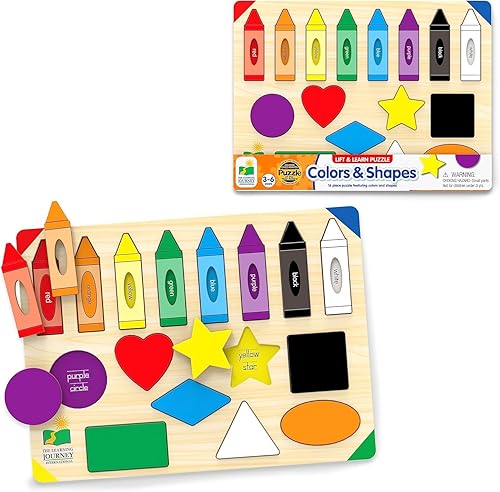 TOP CHOICEBest for puzzle-based learningThe Learning Journey Lift and Learn Puzzle Colors and ShapesView on Amazon
- 4
 Best for sensory and counting playCounting Bears Sensory Bin FillerView on Amazon
- 5
 Best for bilingual learningChuckle and Roar Pop It BookView on Amazon
Our Top Picks
Quick Comparison
| Product | Best for | Key feature |
|---|---|---|
| Dailyfunn Montessori Color and Shape Sorting Box | Toddlers ages 1 to 3 | Color and shape matching |
| Ms. Rachel Rainbow Color Sorter | Toddlers ages 1 and up | Lights and sounds feedback |
| The Learning Journey Lift and Learn Puzzle | Preschoolers ages 3 and up | Self-correcting puzzle pieces |
| Counting Bears Sensory Bin Filler | Preschoolers ages 3 to 5 | Sorting by color and count |
| Chuckle and Roar Pop It Book | Toddlers ages 1 to 4 and up | English and Spanish color words |
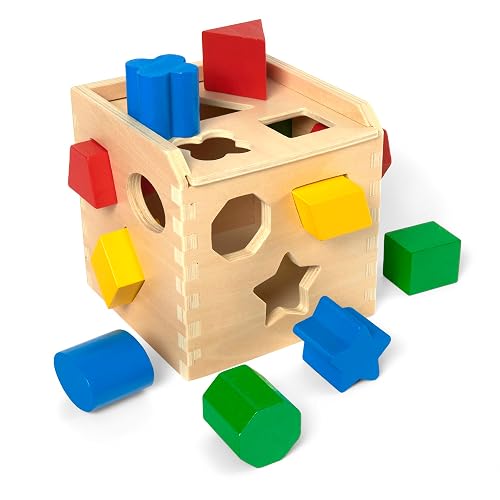
Dailyfunn Montessori Color and Shape Sorting Box
Dailyfunn Montessori Toys Color&Shape Sorting Learning Matching Box for Baby Toddlers 1-3 Year Old
Best for: Best overall for toddlers learning to match colors and shapes through hands-on sorting.
This box suits parents of one- to three-year-olds who are just starting to match objects by color and shape. Its simple, open-ended format lets children practice placing pieces into matching holes.
Pros
- Combines color and shape matching in one toy
- Designed for the Montessori-style hands-on approach
Cons
- Younger toddlers may need help keeping pieces in the box
Ms. Rachel Rainbow Color Sorter
Color Sorter With Lights And Sounds, Builds Motor Skills And Recognition, Toddler Toys For Girls And Boys Ages 1-2+ Ms. Rachel Rainbow Color Sorter, Electronic Learning Toy, Lights & Sounds
Best for: Best for electronic feedback that reinforces color names as children play.
This sorter fits families who want lights and sounds to encourage repeat play with a younger toddler. It is aimed at children ages one and up who respond well to audio cues.
Pros
- Lights and sounds reinforce color recognition
- Builds fine motor skills through sorting
Cons
- Electronic features need batteries and may be loud for some households
The Learning Journey Lift and Learn Puzzle Colors and Shapes
The Learning Journey: Lift & Learn Puzzle Colors & Shapes – Preschool Toys & Activities for Children Ages 3 and Up – Award Winning Educational Toy
Best for: Best for puzzle-based learning that checks whether pieces match correctly.
This puzzle is a good fit for preschoolers ages three and up who enjoy building and problem-solving. The self-correcting design helps children see their own mistakes without adult intervention.
Pros
- Self-correcting pieces support independent play
- Reinforces both colors and shapes
Cons
- Works best for children who already sit still for short puzzles
Counting Bears Sensory Bin Filler
Sensory Toy for Kids with Autism, Counting Bears, Preschool Sensory Bin Filler, Educational Toy for 3 Year Old, Kids Gifts Counting Animals Montessori Toys for 3 4 5 Years Old, Learning Toys Gifts
Best for: Best for sensory and counting play that connects color with early math.
This set suits preschoolers ages three to five who enjoy tactile play. Children can sort bears by color, then count them, linking color words with numbers.
Pros
- Bears come in multiple colors for sorting practice
- Works well in a sensory bin for hands-on exploration
Cons
- Small pieces are not suitable for children under three
Chuckle and Roar Pop It Book
English & Spanish Color Toddler Learning Toys, Quiet Mode Option, Sturdy Plastic Sensory Toys, Busy Book for Toddlers 1-3 Chuckle & Roar Pop It Book, Colors, English & Spanish, Quiet Mode, 1–4+
Best for: Best for bilingual learning with English and Spanish color words.
This busy book suits toddlers ages one to four and families who want to introduce a second language. A quiet mode option helps with car rides and quiet times.
Pros
- Teaches colors in English and Spanish
- Quiet mode option for calmer settings
Cons
- Pages can be busy for children who prefer simpler toys
Buying Guide
Match the Toy to Your Child’s Age
Toddlers under two benefit from large, simple pieces with obvious colors. Preschoolers ages three and up can handle smaller pieces, puzzles, and multi-step sorting.
Good picks for this: Dailyfunn Montessori Color and Shape Sorting Box, The Learning Journey Lift and Learn Puzzle Colors and Shapes
Look for Varied, Clearly Distinct Colors
Primary colors such as red, blue, yellow, and green are the usual starting point. Once children know those, toys with more shades help them notice finer differences.
Good picks for this: Counting Bears Sensory Bin Filler, Ms. Rachel Rainbow Color Sorter
Consider Language Needs
If your family speaks more than one language, a toy that labels colors in each language can reinforce vocabulary at home.
Good picks for this: Chuckle and Roar Pop It Book
FAQ
What age is best for color-learning toys?
Most color-learning toys are designed for toddlers around 1 to 3 years old, while some, like the counting bears and the lift-and-learn puzzle, suit preschoolers around 3 to 5. Checking the listed age range helps you pick something your child can play with safely and enjoy. Choosing a toy slightly above their current level can also give them room to grow.
How do toys help toddlers learn colors?
Hands-on toys let children sort, match, and name colors as they play, which reinforces learning through repetition. Seeing and touching distinct colors helps them connect each shade with its name. Playing together with a caregiver also encourages conversation about what they are holding.
Are electronic color toys better than non-electronic ones?
Electronic toys with lights and sounds can capture a child’s attention and reward correct choices, which some children find very motivating. Non-electronic options like sorting boxes and bears encourage more open-ended, imaginative play. The better choice depends on your child’s temperament and whether you want quieter play at home.
Can these toys help bilingual families?
Yes, some options include English and Spanish color words, which can support children learning two languages at once. Hearing the same color named in both languages can build vocabulary in each. Families who speak only one language can still enjoy these toys and use the other language at their own pace.
How can I make color play more effective?
Name the colors out loud as your child plays, and ask them to find or hand you a specific color. Short, frequent sessions tend to work better than one long session with toddlers and preschoolers. Pointing out colors in everyday objects, like clothing or food, helps them transfer what they learn beyond the toy.
Are sensory toys good for color learning?
Sensory toys such as counting bears and bin fillers combine touch, sorting, and visual recognition, which can keep children engaged for longer. They are especially useful for kids who learn best through hands-on exploration. Supervise young children during play with small pieces to keep them safe.
Conclusion
For younger toddlers who are just starting to sort and match, the Dailyfunn sorting box is a simple, hands-on place to begin. Families who want lights, sounds, and an interactive experience may prefer the Ms. Rachel color sorter, while preschoolers ready for puzzles and sensory play will likely enjoy the Learning Journey puzzle or counting bears.
Bilingual households can look at the English and Spanish options, and families who want a portable, busy-book style toy may find the Chuckle and Roar Pop It Book a good fit. Matching the toy to your child’s age and learning style will do more than any single feature to keep them interested.
Related reading
- Toys for Learning Colors: How to Choose and Use the Best Ones at Home
- Toys for Learning Letters: How to Choose and Use the Best Ones at Home
- Toys for Learning Disabilities: 7 Best Picks Compared for Home Learning (2026)
- Toys for 3 Year Olds Learning: 5 Best Picks Compared (2026)
- Top Preschool Learning Toys: 7 Best Picks Compared (2026)
About Colin Foster
Colin Foster is part of our editorial team and reviews and edits our early learning at home guides, checking product details against manufacturer specifications and owner feedback.