 By Colin Foster
Updated November 2026
Parents looking for spanish learning toys for toddlers usually want something that does more than sit on a shelf: a toy that introduces Spanish vocabulary, rewards curiosity, and fits into a toddler’s short attention span. This list focuses on products that pair bilingual words with hands-on or audio-based play, rather than purely screen-based apps. The selection criteria were product specifications, brand reputation for early education, the age range the manufacturer states, the amount of Spanish content actually included, and patterns in what owners commonly report about durability and engagement. None of these products were tested in a lab or used by the author, so treat the notes below as a research summary rather than a hands-on review.
Our top picks at a glance
- 1
 TOP CHOICEBest overallMelissa & Doug Spanish See & Spell Educational Language Learning ToyView on Amazon
- 2
 TOP CHOICEBest for busy handsEnglish & Spanish Toddler Learning Toys Chuckle & Roar Pop It BookView on Amazon
- 3
 TOP CHOICEBest for vocabulary building51 PCS Spanish Baby Cognitive FlashcardsView on Amazon
- 4
 Best for preschool-leaning activity play155Pc Velcro Spanish Activity BookView on Amazon
- 5
 Best for musical sound playBilingual Baby Books with Musical Learning ToyView on Amazon
- 6
 Best for talking flash card fansPocket Speech Buddy Spanish & English 510 Words Talking Flash CardsView on Amazon
- 7
 Best budget pickBilingual Alphabet Flashcards Spanish and English Talking Flash CardsView on Amazon
Our Top Picks
Quick Comparison
| Product | Best for | Key feature |
|---|---|---|
| Melissa & Doug Spanish See & Spell | Letter-to-word matching | Wooden spelling play with Spanish words |
| Chuckle & Roar Pop It Book (Toddler Busy Book) | Busy hands and sensory play | Bilingual pop-it and quiet mode |
| 51 PCS Spanish Baby Cognitive Flashcards | Everyday vocabulary | Double-sided cards on reclosable rings |
| 155Pc Velcro Spanish Activity Book | Older toddlers and preschoolers | Velcro activities and bilingual prompts |
| Bilingual Baby Books with Musical Learning Toy | Babies and toddlers who like sound | Musical sound toy with Spanish book |
| Pocket Speech Buddy Spanish & English Flash Cards | Word and sight-word exposure | 510 talking bilingual words |
| Bilingual Alphabet Flashcards (Talking) | Alphabet and sight words | Talking flash cards in two languages |
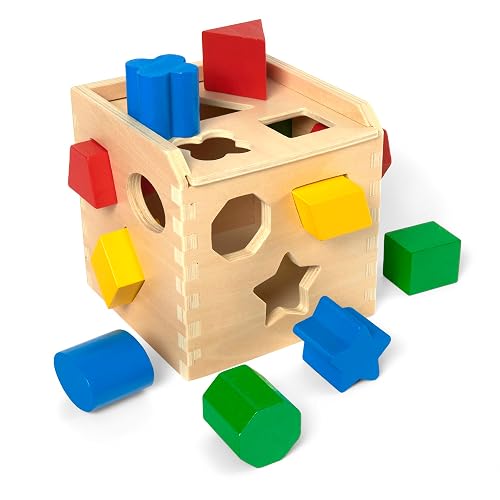
Melissa & Doug Spanish See & Spell Educational Language Learning Toy
Melissa & Doug Spanish See & Spell Educational Language Learning Toy – FSC-Certified Materials
Best for: Matching Spanish words to pictures and letters 6 Best Eco Friendly Montessori Toys for Toddlers (2026) goes further into this.
This wooden-style spelling set suits toddlers who are starting to notice letters and enjoy putting pieces in order. It is a good choice for families who want a tactile toy that works without batteries.
Key specs
- Spanish-language spelling activity
- Manufacturer states FSC-certified materials
- Designed for hands-on, screen-free play
Pros
- Teaches letter recognition alongside Spanish vocabulary
- No batteries or screens required
- Pieces encourage fine motor practice
Cons
- Works best once a child can handle small pieces safely
- Limited to the words included in the set
Bottom line: A strong overall pick for families who want a durable, screen-free toy that builds spelling and Spanish vocabulary together.
English & Spanish Toddler Learning Toys Chuckle & Roar Pop It Book
English & Spanish Toddler Learning Toys, Quiet Mode, Sensory Toys, Busy Book for Toddlers 1-3, Christmas Stocking Stuffer Chuckle & Roar Pop It Book, Colors, English & Spanish, Quiet Mode, 1–4+
Best for: Busy hands and sensory play
This book-style toy combines pop-it fidgets with colors and bilingual labels, aimed at toddlers roughly ages 1 to 4 and older. It suits parents who need a quiet activity for car rides or waiting rooms.
Key specs
- Listed age range 1–4+
- English and Spanish labels
- Quiet mode feature
Pros
- Sensory pop-its hold attention for toddlers
- Quiet mode suits shared spaces
- Covers colors in both languages
Cons
- Spanish content focuses on basic colors and simple words
- Pop-it style play may be less suited to children who mouth objects
Bottom line: Best for toddlers who need sensory input and gentle bilingual exposure during travel or quiet time.
51 PCS Spanish Baby Cognitive Flashcards
51 PCS Spanish Baby Cognitive Flashcards, Double Sided Printed 7 in 1 Colorful Cards Alphabet, Numbers, Foods, Animals, Shapes, Colors with 2 Reclosable Rings, Learning Tool for Toddlers
Best for: Everyday vocabulary like animals, foods, and colors
A large flashcard set covering several categories, useful for parents who read with toddlers daily and want to name objects in Spanish. Good for babies approaching toddlerhood through early two-year-olds.
Key specs
- 51 pieces, double-sided
- Covers alphabet, numbers, foods, animals, shapes, and colors
- Two reclosable rings for storage
Pros
- Broad vocabulary across seven categories
- Rings keep the set organized
- Easy to use in any room
Cons
- Paper cards can bend or tear with rough handling
- No audio, so a parent must model pronunciation
Bottom line: A practical choice for parents who want a simple, low-tech vocabulary set they can use every day.
155Pc Velcro Spanish Activity Book
155Pc Velcro Spanish Activity Book, Montessori Preschool Learning Activities Age4-5, Libro Interactivo Actividades Para Niños My Spanish Busy Book for Toddlers 3-5, Bilingual Screen Free Activity Book
Best for: Older toddlers and preschoolers who want structured activities
This busy book uses Velcro pieces and Spanish prompts for children around ages 3 to 5. It suits families who want a Montessori-style activity with more steps than a flashcard set.
Key specs
- 155 pieces
- Velcro attachment activities
- Bilingual Spanish and English instructions
Pros
- Velcro pieces support matching and sorting
- Screen-free and self-contained
- Good for guided parent-child play
Cons
- Pieces can detach and get lost
- Better suited to age 3 and up than to younger toddlers
Bottom line: Ideal for slightly older toddlers who can follow multi-step instructions and enjoy sorting and matching.
Bilingual Baby Books with Musical Learning Toy
Bilingual Baby Books, Musical Learning Toys for Toddlers 1-3, Educational Learning Sound Toy; Libros En Español Para Niños Coco Learns Spanish Vol. 1, Spanish Books for Kids 1-3, Toddlers & Babies
Best for: Babies and toddlers who respond to sound and rhythm
This combination of a Spanish picture book and a musical learning toy targets ages 1 to 3. It is a reasonable pick for families who read aloud and want music to reinforce new words.
Key specs
- Listed age range 1–3
- Spanish-language children’s book (Coco Learns Spanish, Vol. 1)
- Musical sound toy component
Pros
- Pairs reading with music
- Story format supports vocabulary in context
- Appropriate for babies and young toddlers
Cons
- Sound toy may be loud for some households
- Only one book volume is included
Bottom line: A good pick for families who read together daily and want music to support Spanish words.
Pocket Speech Buddy Spanish & English 510 Words Talking Flash Cards
Pocket Speech Buddy Therapy Autism Toys, Learn Spanish Educational Learning Interactive Toy for Boys Girls Kids Gifts Blue Spanish & English 510 Words Alphabet Bilingual Talking Flash Cards for Kids
Best for: Word exposure with spoken audio in both languages
A talking flash card set with a large word count, designed for children who benefit from repeated audio models. It is marketed for a broad range of kids, including those working on speech.
Key specs
- 510 bilingual words
- Spanish and English audio
- Interactive talking feature
Pros
- Large vocabulary in both languages
- Audio lets toddlers hear correct pronunciation
- Self-paced play for independent exploration
Cons
- Requires batteries
- Repetitive audio can wear on some caregivers
Bottom line: Suited to families who want audio pronunciation and a large word bank in one set.
Bilingual Alphabet Flashcards Spanish and English Talking Flash Cards
Bilingual Alphabet Flashcards, Educational Learning Toys for Kids, Autism Pocket Speech Therapy Toys Spanish and English Talking Flash Cards for Toddlers, 510 Sight Words
Best for: Alphabet and sight-word practice on a budget
A talking alphabet and sight-word set for toddlers beginning to recognize letters and simple words. It is a sensible option for families testing whether a talking card set fits their routine.
Key specs
- Bilingual Spanish and English content
- Talking flash card format
- Sight-word coverage
Pros
- Covers alphabet and sight words together
- Audio supports independent practice
- Budget-friendly style of play
Cons
- Requires batteries
- Best for children already interested in letters
Bottom line: A good starting point for families who want alphabet and sight-word exposure in two languages.
Buying Guide
Age range and developmental stage
Check the age range the manufacturer lists, but also look at what the child can actually do. Babies under 12 months respond best to sound, faces, and high-contrast images. Toddlers from about 18 months to 2 years often enjoy naming objects and pointing. Children around 3 to 5 can handle sorting, matching, and multi-step activities. Matching a toy to a child’s current skills matters more than matching it to a birthday-card age.
Good picks for this: Bilingual Baby Books with Musical Learning Toy; 51 PCS Spanish Baby Cognitive Flashcards
How much Spanish the toy actually contains
Some toys include a few words; others include hundreds. Count or read the product description for the number of words, phrases, or activities in Spanish. A toy with 500 words gives more repetition across categories than one with a dozen, but volume alone does not guarantee good teaching. Look for Spanish that matches the child’s everyday world, such as animals, foods, colors, and family words.
Good picks for this: Pocket Speech Buddy Spanish & English 510 Words; Bilingual Alphabet Flashcards
Audio versus silent play
Talking toys let a child hear correct pronunciation without a parent present, which many families find helpful. Silent toys rely on the adult to model words, which encourages conversation. Neither approach is better for everyone. If you are a Spanish-speaking household, audio may add less than you expect; if you are not, audio can fill a real gap. Consider how much noise you can tolerate across a full day.
Good picks for this: Pocket Speech Buddy Spanish & English 510 Words; Melissa & Doug Spanish See & Spell Educational Language Learning Toy
Size, pieces, and choking hazards
Any toy with small parts is not appropriate for children under 3 without close supervision. Check that pieces are larger than the choke tube used for safety testing, and inspect toys regularly for loose parts. Velcro and magnetic pieces can detach, so store them in a bin with a lid. For baby-stage play, choose items with no small detachable parts at all.
Good picks for this: Chuckle & Roar Pop It Book; 51 PCS Spanish Baby Cognitive Flashcards
Durability and materials
Paper cards bend, tear, and absorb drool. Wooden pieces tend to last longer under daily use. Laminated cards and thick board pages hold up better than thin paper. Manufacturers that state their material certifications, such as FSC-certified wood, give you more information to compare. Expect any toy to need occasional repair or replacement.
Good picks for this: Melissa & Doug Spanish See & Spell Educational Language Learning Toy; 155Pc Velcro Spanish Activity Book
Use case: at home, in the car, or at daycare
A quiet, pocket-sized toy works well for car rides and restaurants. A larger set suits a dedicated play corner. Consider whether the toy will be shared with siblings or other children, and whether it needs to be easy to clean between uses. Sensory books with quiet modes fit shared spaces better than loud musical toys.
Good picks for this: English & Spanish Toddler Learning Toys Chuckle & Roar Pop It Book; Bilingual Alphabet Flashcards
Cleaning and care
Wipe plastic and wooden surfaces with a damp cloth and mild soap, and let them dry fully before returning them to play. Paper cards are best wiped with a barely damp cloth or replaced when soiled. Remove batteries from talking toys that will be stored for long periods, and check battery compartments for corrosion. Follow the care instructions that come with each product.
Good picks for this: Pocket Speech Buddy Spanish & English 510 Words; Bilingual Baby Books with Musical Learning Toy
FAQ
What age should toddlers start learning Spanish with toys?
Many toddlers can start with simple picture-based toys around 12 to 18 months, especially those that pair sound with images. Children around age 2 often enjoy naming objects, and by age 3 many can follow short activity instructions in a second language. There is no single correct age, so watch how your child responds and adjust.
Do Spanish learning toys replace conversation in Spanish?
No. Toys can introduce vocabulary and repetition, but children learn language most effectively through back-and-forth interaction with people. Use toys as a starting point, then name objects, ask questions, and respond in Spanish during everyday routines. If you have concerns about your child’s language development, speak with a pediatrician or a speech-language pathologist.
Are talking flash cards better than paper cards?
Talking cards provide audio models that a parent may not always be able to give, which can help with pronunciation. Paper cards are simpler, need no batteries, and encourage adult-led conversation. Many families use both. Choose based on your routine and how much audio you want in the home.
How do I keep small pieces away from a toddler?
Store small pieces in a container with a secure lid and keep it out of reach when you are not supervising. Check regularly for missing parts, and discard or repair items with loose pieces. Follow the age guidance printed on each product, and supervise children closely during play.
How often should a toddler use a Spanish learning toy?
Short, frequent sessions tend to work better than long ones. Ten to fifteen minutes of focused play, a few times a day, fits most toddlers’ attention spans. Follow your child’s interest rather than a fixed schedule, and stop when they lose focus.
Can I use these toys if no one in my family speaks Spanish?
Yes. Many families use bilingual toys to introduce a second language without fluent speakers at home. Repeat the words after the toy, use the cards during reading time, and learn the vocabulary alongside your child. Consistency matters more than fluency at the start.
Conclusion
For a balanced, screen-free set that builds spelling and vocabulary, the Melissa & Doug Spanish See & Spell is the most rounded starting point. Families wanting sensory play for travel should consider the Chuckle & Roar Pop It Book, while the 51-piece flashcard set suits daily word practice. Older toddlers who can follow instructions may enjoy the Velcro activity book, and families who want audio pronunciation will find the talking flash cards useful. Choose based on age, how much audio you want, and how your child plays.
Sources
- Toy safety standards, small parts warnings, and age labeling guidance (cpsc.gov)
- Research summaries on early language development and bilingual exposure in young children (nih.gov)
- Guidance from pediatric professionals on screen time and early learning for young children (aap.org)
Related reading
- Top 7 Early Learning Ride On Toys for Toddlers Compared (2026)
- Top 7 Early Learning Montessori Toys for Toddlers and Preschoolers
- Top 7 Chinese Language Learning Toys with Audio for Toddlers (2026)
- Top 5 Children's Interactive Learning Toys for Toddlers (2026)
- Spanish and English Learning Toys (2026): Which Should You Choose?
About Colin Foster
Colin Foster is part of our editorial team and reviews and edits our early learning at home guides, checking product details against manufacturer specifications and owner feedback.