 By Colin Foster
Updated November 2026
Parents and caregivers searching for toys for learning disabilities usually want something that does more than keep a child busy. They want a toy that supports a specific skill, such as fine motor control, letter recognition, counting, sensory regulation or hand-eye coordination, and that a child will actually keep using. The picks below were selected by comparing manufacturer specifications, brand reputation for early learning products and the patterns that owners commonly report in their feedback. We did not test these toys ourselves, and none of them is a treatment or a substitute for therapy or an individual education plan.
Our top picks at a glance
- 1
 TOP CHOICEBest overallCounting Animals Color Sorting Matching Games with Sorting BowlsView on Amazon
- 2
 TOP CHOICEBest for fine motor practiceLearning Resources Spike The Original Fine Motor HedgehogView on Amazon
- 3
 TOP CHOICEBest for sensory playSensory Toy for Kids with Autism, Counting BearsView on Amazon
- 4
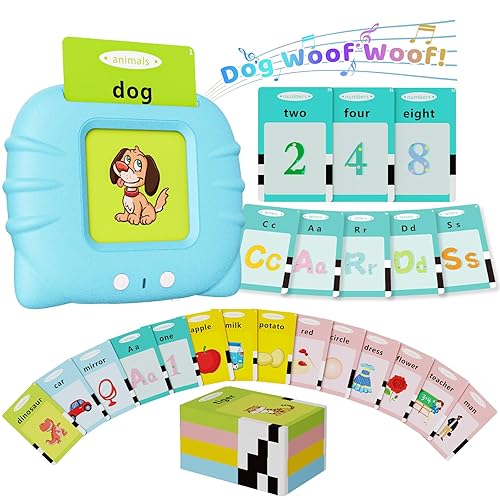 Best for reading practiceTalking Flash Cards for Toddlers 1-3View on Amazon
- 5
 Best for calm-down timehand2mind Colors & Shapes Sensory PadView on Amazon
- 6
 Best for handwritinghand2mind Letter Tracing Sensory PadView on Amazon
- 7
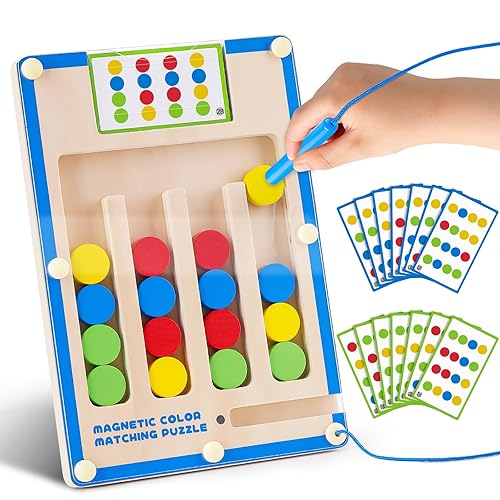 Best for problem solvingEducational Learning Toy Magnetic Wooden MazeView on Amazon
Our Top Picks
Quick Comparison
| Product | Best for | Key feature |
|---|---|---|
| Counting Animals Color Sorting Matching Games | Counting and sorting practice | Animal and color sorting with bowls |
| Learning Resources Spike Fine Motor Hedgehog | Fine motor skills | Shape sorting game with hedgehog design |
| Sensory Toy for Kids with Autism, Counting Bears | Sensory exploration | Counting bears for sensory bin play |
| Talking Flash Cards for Toddlers 1-3 | Early reading and speech | Audio sight word cards |
| hand2mind Colors & Shapes Sensory Pad | Calm-down and tactile play | 16 activities on one pad |
| hand2mind Letter Tracing Sensory Pad | Handwriting readiness | Tracing activities for letters |
| Educational Learning Toy Magnetic Wooden Maze | Problem solving and focus | Magnetic wooden maze puzzles |
Counting Animals Color Sorting Matching Games with Sorting Bowls
Counting Animals Color Sorting Matching Games with Sorting Bowls Montessori Sensory Early Educational Toys Learning Fine Motor Skill & Counting Math Toys Gift for 3 4 5 Year Old Boys Girls
Best for: Counting, color sorting and basic matching for children who are building number sense.
This set suits children around ages 3 to 5 who respond well to hands-on counting and sorting. Caregivers working on one-to-one correspondence or color identification often find the bowls useful for structuring the activity.
Key specs
- Listed for ages 3 to 5
- Includes animal pieces for counting and matching
- Includes sorting bowls
Pros
- Builds counting and color sorting together
- Sorting bowls give a clear place for each group
- Works well for fine motor practice with small pieces
Cons
- Small pieces need close supervision for young children who mouth objects
- May be too simple for children who have already mastered basic counting
Bottom line: A good first choice for families who want one set that covers counting, sorting and matching at home.
Learning Resources Spike The Original Fine Motor Hedgehog
Fine Motor Skills Toys, Montessori Color Sorting Toddler Toys, Educational Matching Toddler Learning Toy, Shape Sorter Game Learning Resources Spike The Original Fine Motor Hedgehog
Best for: Fine motor skills and shape sorting for toddlers and preschoolers.
This toy is designed around a shape-sorting and fine motor concept. It suits children who are developing grip strength, pincer control and the ability to match pieces to openings.
Key specs
- Shape sorting and fine motor design
- Sold under the Learning Resources brand, which focuses on classroom and home learning materials
Pros
- Targets grip and pincer development
- Simple cause-and-effect play
- Durable construction from an established educational brand
Cons
- Some children lose interest once shape matching becomes easy
- Pieces can be tricky for children with very low grip strength
Bottom line: Well suited to families focused on fine motor goals for toddlers and preschoolers.
Sensory Toy for Kids with Autism, Counting Bears
Sensory Toy for Kids with Autism, Counting Bears, Preschool Sensory Bin Filler, Educational Toy for 3 Year Old, Kids Gifts Counting Animals Montessori Toys for 3 4 5 Years Old, Learning Toys Gifts
Best for: Sensory exploration combined with counting and sorting.
Counting bears are often used in sensory bins and tactile play. This set suits children who benefit from handling, scooping and sorting items as part of learning activities.
Key specs
- Counting bear pieces for sensory bin use
- Listed for children around age 3 and older
Pros
- Combines sensory input with counting
- Easy to add to a bin with other fillers
- Good for open-ended play
Cons
- Loose pieces can scatter and need a container
- Requires supervision during bin play
Bottom line: Best for families who want a sensory-friendly counting tool that doubles as a bin filler.
Talking Flash Cards for Toddlers 1-3
Talking Flash Cards for Toddlers 1-3, Upgraded 248 Sight Words Montessori Speech Therapy Toy, Autism Sensory Educational Learning Toys, Birthday Gift for Boys Girls (Blue)
Best for: Early reading, vocabulary and speech practice with audio support.
Audio flash cards let a child hear a word while seeing it, which can support language and reading readiness. Caregivers working on speech goals often use this kind of toy as a supplement to direct practice.
Key specs
- Sight word cards with audio
- Designed for toddlers ages 1 to 3
Pros
- Pairs spoken words with pictures or text
- Can be used independently for short practice sessions
- Covers a wide range of early vocabulary
Cons
- Audio quality varies and some owners report it can be quiet
- Works best as one tool alongside adult interaction
Bottom line: Suitable for families who want an audio-supported option for early language and reading practice.
hand2mind Colors & Shapes Sensory Pad
Occupational Therapy Toys, Fine Motor Toys, Toddler Sensory Toys, Calming Toys for Kids, Calm Down Corner Supplies hand2mind Colors & Shapes Sensory Pad, 16 Activities, 24 Shapes, Ages 3+
Best for: Calm-down time and tactile activities for children who need sensory regulation.
This sensory pad is part of a broader category of occupational therapy-style toys used in calm corners and at home. It suits children who benefit from structured tactile input while they focus on colors and shapes.
Key specs
- Listed for ages 3 and older
- Includes 16 activities and 24 shapes, according to the listing
Pros
- Multiple activities on one pad
- Supports color and shape recognition
- Useful as a calm-down option
Cons
- Some children may tire of the same pad quickly
- Small shapes can be a choking hazard for young children
Bottom line: A practical choice for families building a calm-down corner with tactile and visual learning.
hand2mind Letter Tracing Sensory Pad
Handwriting Practice Kids, Letter Tracing Board, Toddler Writing Practice, Montessori Alphabet Toys, Preschool Learning Toys hand2mind Letter Tracing Sensory Pad, Fine Motor Activities, Ages 3+
Best for: Handwriting readiness and letter tracing.
Tracing activities build the motor patterns needed for writing. This pad suits children who are learning letter formation and need repeated practice with visual and tactile guides.
Key specs
- Letter tracing activities
- Listed for ages 3 and older
Pros
- Supports letter formation practice
- Tactile surface adds sensory feedback
- Works alongside other fine motor tools
Cons
- Requires an adult to show correct letter strokes at first
- Can feel repetitive for children who dislike writing tasks
Bottom line: Good for families whose main goal is preparing a child for handwriting.
Educational Learning Toy Magnetic Wooden Maze
Educational Learning Toy for Kid, 4-6 Year Old Boy Birthday Gift, Sensory Puzzles Toys for Kids with Autism Travel Activities Montessori Toys for 3 4 5 6 Year Old Boys Girl, Kids Magnetic Wooden Maze
Best for: Problem solving, focus and hand-eye coordination for older preschoolers.
Magnetic wooden mazes ask a child to plan a route and move a piece carefully. This suits children around ages 4 to 6 who can sustain attention for short puzzle tasks.
Key specs
- Listed for ages 4 to 6
- Magnetic wooden maze design
Pros
- Builds planning and problem-solving skills
- Portable for travel and waiting times
- Encourages slow, controlled hand movement
Cons
- Frustrating for children who struggle with sustained attention
- Small magnetic parts need supervision
Bottom line: A good pick for older preschoolers ready for puzzle-style challenges.
Buying Guide
Match the toy to the specific skill
Start with the skill you want to support. Fine motor goals point toward shape sorters and tracing tools, language goals toward audio cards and sight word sets, and sensory goals toward tactile pads and bins. A toy that targets one clear skill is usually easier to use consistently than one that tries to do everything.
Good picks for this: Learning Resources Spike The Original Fine Motor Hedgehog, Talking Flash Cards for Toddlers 1-3
Check the listed age range
Age ranges on packaging are set by manufacturers and reflect typical development, not a guarantee. A child with a learning disability may be ready for a toy above or below the listed age. Choose based on the child’s current abilities, and offer a simpler or more challenging version if needed.
Good picks for this: Counting Animals Color Sorting Matching Games, Educational Learning Toy Magnetic Wooden Maze
Consider sensory input
Some children seek or avoid textures, sounds and movement. Sensory pads, bins and tactile sets can help a child engage, but they can also overwhelm. Watch how your child responds and introduce new textures gradually.
Good picks for this: Sensory Toy for Kids with Autism Counting Bears, hand2mind Colors & Shapes Sensory Pad
Think about size and small parts
Many learning toys include small pieces. Check whether the toy is appropriate for the youngest child in the home, and store loose parts in containers. Supervise play with any toy that has small components, especially for children who still put objects in their mouths.
Good picks for this: hand2mind Letter Tracing Sensory Pad, Counting Animals Color Sorting Matching Games
Plan for the child’s use case
Decide whether the toy will be used for short daily practice, calm-down breaks, travel or structured lessons. A portable toy suits car rides and waiting rooms, while a larger set fits a dedicated learning space.
Good picks for this: Educational Learning Toy Magnetic Wooden Maze, hand2mind Colors & Shapes Sensory Pad
Look at durability and materials
Check whether the toy is made from sturdy plastic or wood and whether pieces are secured. Established educational brands often have clearer manufacturer information about materials and testing. Inspect toys regularly for loose parts or cracks.
Good picks for this: Learning Resources Spike The Original Fine Motor Hedgehog, hand2mind Letter Tracing Sensory Pad
Plan care and cleaning
Sensory bins and cards need regular cleaning. Wipe plastic surfaces with mild soap and water, let items dry fully, and store tactile pieces in a dry container. Clean shared toys between uses in group or classroom settings.
Good picks for this: Sensory Toy for Kids with Autism Counting Bears, Talking Flash Cards for Toddlers 1-3
FAQ
What are toys for learning disabilities?
Toys for learning disabilities are play materials chosen to support specific developmental skills, such as fine motor control, language, counting, sensory processing and problem solving. They are used as a supplement to structured teaching and therapy, not as a replacement for them.
How do I choose the right toy for my child?
Start with the skill you want to build, then check the age range and the child’s current abilities. Watch how the child responds to textures, sounds and challenge level, and choose a toy that matches both the goal and the child’s comfort.
Are sensory toys always helpful?
Not always. Sensory toys can help some children focus and calm down, but they can also overwhelm others. Introduce new textures gradually and stop if your child shows signs of distress.
Do I need a therapist to use these toys?
Many families use these toys at home without professional guidance, but a speech-language pathologist, occupational therapist or educator can help you choose goals and activities. If you have concerns about your child’s development, consult a qualified professional.
How often should my child use learning toys?
Short, consistent sessions often work better than long ones. Many caregivers use 10 to 15 minutes of focused practice a day, adjusting the length based on the child’s attention and interest.
Can these toys replace an individualized education plan?
No. A toy can support learning goals, but it does not replace an individualized education plan, therapy or specialized instruction. Work with your child’s school or care team to set and track goals.
What should I do if my child loses interest?
Try rotating toys, adding a new challenge, or pairing the toy with a favorite activity. Interest often returns when the difficulty level changes or when the child has a choice in how to play.
Conclusion
For counting and sorting, the Counting Animals set is a practical starting point. For fine motor goals, the Learning Resources Spike Hedgehog fits well, while the hand2mind tracing pad suits handwriting readiness. Families focused on sensory regulation may prefer the sensory bear set or the hand2mind sensory pad, and the audio flash cards serve early language goals. The magnetic wooden maze works best for older preschoolers ready for puzzle challenges. Match the toy to the skill, the child’s current level and your daily routine, and consult a professional if you have developmental concerns.
Sources
- Developmental milestones and early childhood learning information (cdc.gov)
- Toy safety guidance, including small parts and age labeling (cpsc.gov)
- Information on speech, language and communication development
Related reading
- VTech Learning Walker Toys R Us: How to Choose and Set Up the Right Walker
- VTech Learning Toys for 2 Year Olds: How to Choose the Right Ones
- VTech Electronic Learning Toys: How to Choose the Right Ones for Your Child
About Colin Foster
Colin Foster is part of our editorial team and reviews and edits our early learning at home guides, checking product details against manufacturer specifications and owner feedback.


