 By Colin Foster
Updated November 2026
Parents looking into the benefits of learning toys usually want the same thing: play that builds real skills like counting, color recognition, fine motor control and early language, without a screen doing all the work. This list compares seven well-regarded options across age ranges from toddlers to five-year-olds. The selection favored clear educational purpose, durable construction, age-appropriate design, brand reputation and patterns in owner feedback, such as whether children stay engaged and whether parts hold up over time. None of these picks were tested in a lab or by the author, and every claim below reflects manufacturer specifications or commonly reported owner experiences.
Our top picks at a glance
- 1
 TOP CHOICEBest overallFine Motor Skills Toys Spike The Original Fine Motor HedgehogView on Amazon
- 2
 TOP CHOICEBest for language buildingAirbition Talking Flash Cards for ToddlersView on Amazon
- 3
 TOP CHOICEBest for musical and sound playMs. Rachel Spin Along Learning WheelView on Amazon
- 4
 Best for Montessori-style sensory playMontessori Sensory Toys Wooden Block, Puzzle and Shape SorterView on Amazon
- 5
 Best for early countingPreschool Educational Math Manipulatives Counting ToysView on Amazon
- 6
 Best for number blocks on a budgetMontessori Number Counting Block ToysView on Amazon
- 7
 Best for early STEM and tool playEducational Insights Design & Drill ABCs & 123sView on Amazon
Our Top Picks
| Product | Best for | Key feature |
|---|---|---|
| Fine Motor Skills Toys Spike The Original Fine Motor Hedgehog | Fine motor and color sorting, ages 1–3 | Peg-and-sort design with color matching |
| Airbition Talking Flash Cards for Toddlers | Vocabulary building, ages 1–4 | 224 words with audio and visuals |
| Ms. Rachel Spin Along Learning Wheel | Sound and music-based learning, ages 1–3+ | Three interactive play modes |
| Montessori Sensory Toys (Wooden Block, Puzzle, Shape Sorter) | Hands-on shape and sensory play, ages 1–3 | Multi-activity wooden set |
| Preschool Educational Math Manipulatives Counting Toys | Counting and early math, ages 3–5 | Manipulatives for number sense |
| Montessori Number Counting Block Toys | Number recognition, ages 2–4 | Counting blocks for hands-on math |
| Educational Insights Design & Drill ABCs & 123s | Early STEM and letter/number practice, ages 3–5 | Drill tool play with letter and number tasks |
Fine Motor Skills Toys Spike The Original Fine Motor Hedgehog
Fine Motor Skills Toys, Montessori Color Sorting Toddler Toys, Educational Matching Toddler Learning Toy, Shape Sorter Game Learning Resources Spike The Original Fine Motor Hedgehog
Best for: Fine motor skills and color sorting for toddlers
This is a good fit for toddlers who are working on grasping, pinching and placing small pieces. The hedgehog format gives the child a clear, repeatable task that builds hand strength and hand-eye coordination.
Key specs
- Fine motor sorting and matching toy
- Color matching activity
- Designed for toddler hands
Pros
- Builds pincer grasp and hand control
- Simple enough for independent play
- Reinforces color recognition
Cons
- Small pieces need supervision for children who still mouth objects
- Limited challenge once a child has mastered the sorting task
Bottom line: A strong first pick for parents focused on fine motor development in toddlers.
Airbition Talking Flash Cards for Toddlers
Montessori Language Learning Toys with 224 Words, Pocket Speech Therapy Toys, Sensory Learning Kit, Educational Toys for Kids Airbition Talking Flash Cards for Toddlers Ages 1‑4,224 Words English Blue
Best for: Vocabulary building and early language
Ideal for toddlers and young preschoolers learning first words, and for families who want a portable language tool for car rides or waiting rooms. The audio-plus-picture format supports the idea that hearing and seeing a word together helps retention.
Key specs
- 224 words in English
- Talking flash cards with picture and audio
- Designed for ages 1–4
Pros
- Large vocabulary in one set
- Audio supports independent listening
- Portable and easy to store
Cons
- Audio quality and volume may vary by owner reports
- Works best when a parent also models words in conversation
Bottom line: A practical choice for families prioritizing early vocabulary.
Ms. Rachel Spin Along Learning Wheel
Electronic Wheel With 3 Learning Modes, Boosts Cognitive Growth, Volume Control, Toddler Toys For Girls And Boys Ages 1-3+ Ms. Rachel Spin Along Learning Wheel with 3-Mode Interactive Play Modes
Best for: Sound and music-based learning for toddlers
Suited to toddlers who respond well to songs and repeated phrases. The wheel’s multiple play modes give the child a reason to keep turning and listening, which supports early listening and cause-and-effect understanding.
Key specs
- Three learning modes
- Adjustable volume control
- Designed for ages 1–3+
Pros
- Music and phrases reinforce early language
- Volume control suits quieter homes
- Encourages cause-and-effect play
Cons
- Repetitive sounds can wear on some parents
- Less useful for hands-on manipulation skills
Bottom line: Best for families who want an interactive music-based toy for toddlers.
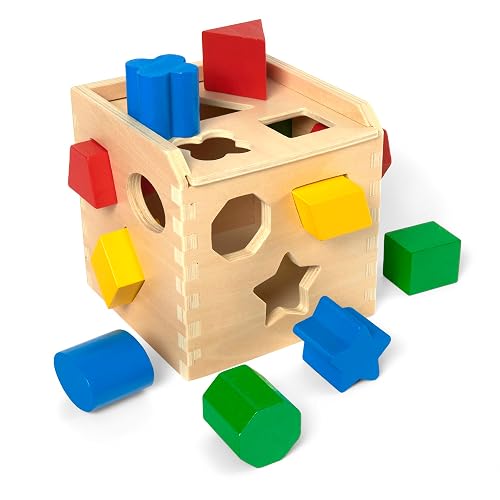
Montessori Sensory Toys Wooden Block, Puzzle and Shape Sorter
Montessori Sensory Toys, Toddler Toy 2-3, Boy Girl Birthday Gifts, Wooden Block, Puzzle, Shape Sorter, Toddler Activities Montessori Toys for 1 2 3 Year Old Boy Girl, Toddler Learning Toys Gifts
Best for: Hands-on Montessori-style sensory play
Works well for toddlers between roughly one and three who are moving through shape recognition, puzzle solving and block stacking. Multiple activities in one set make it useful for rotating play stations at home. Worth reading next: 7 Best Hands On Learning Toys for Preschoolers Compared (2026).
Key specs
- Wooden block, puzzle and shape sorter components
- Designed for toddlers ages 1–3
- Multi-activity set
Pros
- Covers several skills in one set
- Natural materials appeal to many families
- Supports shape and problem-solving skills
Cons
- Several small pieces to keep track of
- Older preschoolers may outgrow the difficulty level quickly
Bottom line: A versatile set for toddlers who like to rotate between activities.
Preschool Educational Math Manipulatives Counting Toys
Preschool Educational Toys, Math Manipulatives, Kids Boys Girls Birthday Gifts, Counting Toys, Preschool Learning Activities Montessori Learning Toys for 3 4 5 Year Old Gift, Number Counting Block Toy
Best for: Counting and early number sense
Aimed at children roughly three to five who are beginning to count objects, compare quantities and understand what numbers represent. Manipulatives let children see and touch quantity, which supports the move from counting to number sense.
Key specs
- Math manipulatives for counting
- Designed for ages 3–5
- Counting-focused preschool set
Pros
- Builds one-to-one correspondence
- Concrete objects make abstract numbers clearer
- Useful for group or independent play
Cons
- Pieces can scatter and need a dedicated storage container
- Less appealing to children who prefer pretend play
Bottom line: A solid pick for parents building early math habits at home.
Montessori Number Counting Block Toys
Montessori Number Counting Block Toys for Kids, Educational Toys for 3-5 Year Old Boys Girls Christmas Birthday Gifts Preschool Math Manipulatives Learning Toys for Toddlers 2-4
Best for: Number recognition and quantity matching
Fits children around two to four who are learning number names and matching numerals to groups. Counting blocks give a tactile way to connect the symbol 5 with five objects.
Key specs
- Number counting blocks
- Montessori-style manipulatives
- Designed for ages 2–4
Pros
- Connects numerals with quantities
- Stackable and easy to sort
- Good for independent work
Cons
- Overlaps in purpose with other counting sets
- Can be too simple for children already counting past twenty
Bottom line: A good choice for families focused on number recognition in the two-to-four range.
Educational Insights Design & Drill ABCs & 123s
Building Construction Toys for Toddlers, Kids Tool Set with Drill Toy, Preschool Learning Activities, Toddler STEM Toys Educational Insights Design & Drill ABCs & 123s, Kids Drill Set
Best for: Early STEM and letter and number practice
Suited to preschoolers who enjoy pretend building and want to combine it with letter and number practice. The drill-based format introduces tool use and simple construction thinking alongside literacy and numeracy.
Key specs
- Toy drill and building set
- Letter and number practice
- Designed for preschool ages
Pros
- Combines STEM and literacy play
- Encourages imaginative building
- Engaging for children who like tools
Cons
- Many small parts to organize
- Requires adult help to set up some activities
Bottom line: A good pick for preschoolers who enjoy building and want letter and number practice in the same toy.
Buying Guide
Age range and developmental stage
Match the toy to where your child actually is, not where you hope they will be. A toy for ages three to five often frustrates a two-year-old, while a toy built for toddlers can bore a four-year-old. Look at the manufacturer’s age range as a starting point, then watch how your child handles the toy in the first few sessions.
Good picks for this: Fine Motor Skills Toys Spike The Original Fine Motor Hedgehog, Airbition Talking Flash Cards for Toddlers
Skill focus
Decide which skill you want to build first: fine motor, language, counting, shape recognition or early STEM. Toys that cover several skills are useful, but a single-focus toy often gives a cleaner learning signal for a child who is just starting out.
Good picks for this: Montessori Number Counting Block Toys, Educational Insights Design & Drill ABCs & 123s
Size and small parts
For children under three, check that no piece fits inside a small-parts test cylinder. Many pieces are sized in the range that presents a choking risk. If a toy has loose pieces, store them in a container with a lid and count them after each play session.
Good picks for this: Montessori Sensory Toys Wooden Block, Puzzle and Shape Sorter, Preschool Educational Math Manipulatives Counting Toys
Materials and durability
Wood and sturdy plastic tend to hold up to daily handling better than thin plastic. Look for smooth edges, secure joints on blocks and puzzles, and paint or finishes that are labeled as child-safe. Owners often report that toys with loose fasteners or thin tabs wear out first.
Good picks for this: Montessori Sensory Toys Wooden Block, Puzzle and Shape Sorter, Montessori Number Counting Block Toys
Audio and screen-free balance
Talking and music toys can reinforce language, but check the volume controls and whether the sounds are repetitive. If a toy gets loud, consider a model with adjustable volume or simply reduce how often it is in use. Balance electronic toys with open-ended, non-electronic play.
Good picks for this: Ms. Rachel Spin Along Learning Wheel, Airbition Talking Flash Cards for Toddlers
Ease of cleaning
Toddlers mouth toys, so choose pieces that wipe clean with a damp cloth. Avoid fabric or porous surfaces if the child is still mouthing objects regularly. Check the manufacturer’s care instructions before buying.
Good picks for this: Fine Motor Skills Toys Spike The Original Fine Motor Hedgehog, Preschool Educational Math Manipulatives Counting Toys
Storage and space
A toy that needs a dedicated bin or tray can be harder to keep in use in a small home. Count the pieces before you buy and plan where they will live. Sets with many small components work best when you have a shelf or bin set aside for them.
Good picks for this: Educational Insights Design & Drill ABCs & 123s, Montessori Sensory Toys Wooden Block, Puzzle and Shape Sorter
FAQ
What are the main benefits of learning toys for preschoolers?
Learning toys can support fine motor control, counting, letter and shape recognition, vocabulary and early problem solving. The biggest benefit usually comes from repeated, hands-on play with a clear goal, rather than from a single session.
At what age should I start using learning toys?
Many toys are designed for children from about one year old, with simple sorting, stacking and sound toys. Choose toys that match your child’s current abilities and move to more challenging options as skills develop.
Do learning toys replace play with other kids or adults?
No. Learning toys work best alongside conversation, pretend play and time with other children. Talk with your child while playing, name colors and count out loud, and let them lead the activity when they can.
How many learning toys does a child need?
A small rotating collection is usually more effective than a large set. Keep about four to six toys out at a time and swap them every week or two to maintain interest.
Are electronic learning toys better than wooden or hands-on toys?
Neither type is better in every case. Electronic toys can reinforce language and sound, while hands-on toys build fine motor skills and open-ended problem solving. Many families use a mix of both.
How do I know if a learning toy is safe for my child?
Check the age label, look for small parts that could be a choking hazard for children under three, and inspect the toy regularly for loose pieces or damage. If you have concerns about your child’s development, consult your pediatrician or an early intervention professional.
Can learning toys help children with developmental delays?
Some learning toys can support skills that a therapist or teacher is already working on, but they are not a substitute for professional services. If your child has a diagnosed delay, consult a qualified professional before choosing toys for targeted practice.
Conclusion
The benefits of learning toys are real when the toy matches the child’s stage and the adult stays involved in the play. For fine motor skills and early color sorting, the Spike hedgehog is a solid choice. For vocabulary, the Airbition flash cards offer broad word coverage. For music and sound, the Ms. Rachel wheel suits toddlers who respond to songs. The Montessori sensory set works for hands-on shape and block play, while the counting manipulatives and number blocks support early math. The Educational Insights drill set suits preschoolers who enjoy building and letter practice. Choose by the skill you want to build first, then check the age range and small-parts guidance before buying.
Sources
- Toy safety standards, small parts warnings and age-labeling guidance for children's products (cpsc.gov)
- Developmental milestones by age, useful for matching toys to skills in early childhood (cdc.gov)
- Position statements and resources on play, learning and early childhood development
Related reading
- Wooden vs Plastic Early Learning Construction Toys: Which Is Better? (2026)
- Wooden Learning Toys for 3 Year Olds: 5 Best Picks Compared (2026)
- What Does Learning Express Toys Have? 6 Best Picks for Preschool Kids (2026)
- VTech Learning Walker Toys R Us: How to Choose and Set Up the Right Walker
- VTech Learning Toys for 2 Year Olds: How to Choose the Right Ones
- VTech Electronic Learning Toys: How to Choose the Right Ones for Your Child
About Colin Foster
Colin Foster is part of our editorial team and reviews and edits our early learning at home guides, checking product details against manufacturer specifications and owner feedback.