By Colin Foster
Updated November 2026
Hands on learning toys give young children something to physically manipulate, sort, build, count, or trace, which turns abstract ideas like numbers, letters, and cause and effect into things they can actually touch. Parents shopping for this category usually want toys that match a specific developmental stage, hold up to daily handling, and reward open-ended play instead of a single scripted activity. The picks below were selected by comparing manufacturer specifications, brand reputation for early learning products, and common owner feedback patterns. We did not physically test these toys.
Our top picks at a glance
- 1
 TOP CHOICEBest overallLearning Resources STEM Explorers Magnet MoversView on Amazon
- 2
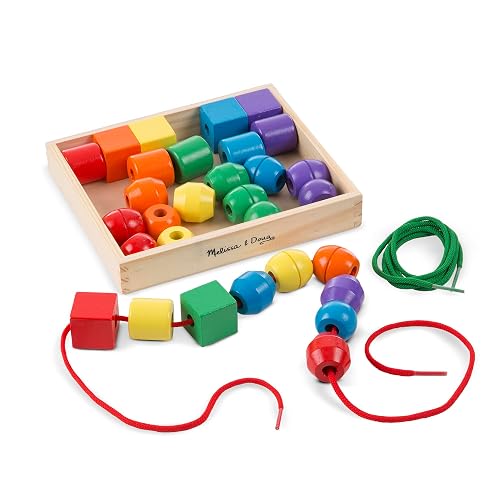 TOP CHOICEBest for fine motor practiceMelissa & Doug Primary Lacing Beads 33-Piece Montessori Toy SetView on Amazon
- 3
 TOP CHOICEBest for sorting and color recognitionLearning Resources Spike The Original Fine Motor HedgehogView on Amazon
- 4
 Best for early number senseMontessori Number Counting Block Toys for KidsView on Amazon
- 5
 Best for sensory playSensory Toy for Kids with Autism Counting BearsView on Amazon
- 6
 Best for letter formationhand2mind Letter Tracing Sensory PadView on Amazon
- 7
 Best budget pickMelissa & Doug Classic Wooden AbacusView on Amazon
Our Top Picks
| Product | Best for | Key feature |
|---|---|---|
| Learning Resources STEM Explorers Magnet Movers | Curious thinkers who like cause and effect | Magnet-based physics activities |
| Melissa & Doug Primary Lacing Beads 33-Piece Montessori Toy Set | Fine motor and pattern practice | Painted wooden beads with laces and case |
| Learning Resources Spike The Original Fine Motor Hedgehog | Sorting and matching by color and shape | Pinch-and-place fine motor tool |
| Montessori Number Counting Block Toys for Kids | Early math and number recognition | Counting blocks for hands-on math |
| Sensory Toy for Kids with Autism Counting Bears | Sensory-seeking and counting play | Counting bears for sensory bin use |
| hand2mind Letter Tracing Sensory Pad | Pre-writing and letter practice | Tracing surface for letter formation |
| Melissa & Doug Classic Wooden Abacus | Budget-minded counting and math | 10 rows with 100 colorful beads |
Learning Resources STEM Explorers Magnet Movers
Magnet Science Kit, STEM Activity Set, Physics Exploration Toy, Critical Thinking Activity, Hands-On Learning for Kids Learning Resources STEM Explorers Magnet Movers
Best for: Curious preschoolers who ask how things work
This magnet kit suits children who enjoy experimenting, testing which objects attract and which repel, and building simple cause-and-effect chains. It works well for families who want a STEM-flavored toy without screens.
Key specs
- Magnet science activity set, marketed as a STEM physics exploration toy
- Designed for hands-on critical thinking activities for kids
Pros
- Encourages prediction and experimenting
- Works for solo or adult-guided play
- Open-ended, so it stays interesting across several age stages
Cons
- Activities may need an adult to explain the science for younger children
- Small pieces require supervision
Bottom line: A strong pick for children who like to take things apart and ask why. Choose it if you want a learning toy that builds reasoning rather than memorization.
Melissa & Doug Primary Lacing Beads 33-Piece Montessori Toy Set
33 Pcs, 30 Painted Wooden Beads, 2 Laces, Storage Case, Fine Motor Sorting Play, Preschool Learning Toys for Kids, Ages 3+ Melissa & Doug Primary Lacing Beads 33-Piece Montessori Toy Set
Best for: Fine motor practice and pattern building
Lacing beads suit children around age three who are developing finger strength and hand-eye coordination. The included storage case helps keep pieces together between sessions.
Key specs
- 33 pieces total: 30 painted wooden beads and 2 laces
- Includes a storage case
- Listed for ages 3 and up
Pros
- Builds pincer grasp and bilateral coordination
- Good for simple color and pattern sequences
- Storage case reduces lost pieces
Cons
- Only two laces, so siblings may need to share
- Younger toddlers may find threading frustrating at first
Bottom line: A dependable fine motor option for three-year-olds. Pick it if you want a classic, low-tech toy that grows from simple threading into pattern work.
Learning Resources Spike The Original Fine Motor Hedgehog
Fine Motor Skills Toys, Montessori Color Sorting Toddler Toys, Educational Matching Toddler Learning Toy, Shape Sorter Game Learning Resources Spike The Original Fine Motor Hedgehog
Best for: Sorting and matching by color and shape
This hedgehog-shaped tool is designed for children who are working on pinching, placing, and sorting. It fits well in a toddler play area or a preschool center rotation.
Key specs
- Fine motor sorting and matching game
- Listed as a shape sorter and color matching toy
Pros
- Strengthens pincer grip through repeated pinching
- Combines color and shape matching in one toy
- Simple enough for independent play
Cons
- Game play can feel repetitive after several weeks
- Best for children who already recognize basic colors
Bottom line: Choose this for toddlers and young preschoolers who need structured fine motor practice with clear goals.
Montessori Number Counting Block Toys for Kids
Montessori Number Counting Block Toys for Kids, Educational Toys for 3-5 Year Old Boys Girls Christmas Birthday Gifts Preschool Math Manipulatives Learning Toys for Toddlers 2-4
Best for: Early number recognition and counting
Counting blocks give children concrete quantities to see and touch, which supports the Montessori-style move from objects to numerals. This set is aimed at children from about two to five.
Key specs
- Montessori-style counting blocks for preschool math
- Listed for ages 2 through 5
Pros
- Pairs quantity with numeral recognition
- Useful across a wide age range
- Works well in small-group or one-on-one math time
Cons
- Individual block sizes can be easy for young children to mouth, so supervise
- Needs an adult to introduce counting routines
Bottom line: A solid pick for families building early number sense. Choose it if you want a math manipulative that grows with your child.
Sensory Toy for Kids with Autism Counting Bears
Sensory Toy for Kids with Autism, Counting Bears, Preschool Sensory Bin Filler, Educational Toy for 3 Year Old, Kids Gifts Counting Animals Montessori Toys for 3 4 5 Years Old, Learning Toys Gifts
Best for: Sensory play combined with counting
Counting bears work in sensory bins, on mats, or in sorting cups. They suit children who benefit from tactile input and parents who want a calm, repetitive activity.
Key specs
- Counting bear set for sensory bins and counting practice
- Marketed for preschool-aged children, including those who enjoy sensory play
Pros
- Combines tactile input with counting
- Easy to scoop, sort, and transfer
- Works with many sensory bin themes
Cons
- Small pieces are a choking hazard for children under three
- Bins can get messy without a tray or mat
Bottom line: A good match for families who want sensory and math goals in one activity. Use it with close supervision and a containment tray.
hand2mind Letter Tracing Sensory Pad
Handwriting Practice Kids, Letter Tracing Board, Toddler Writing Practice, Montessori Alphabet Toys, Preschool Learning Toys hand2mind Letter Tracing Sensory Pad, Fine Motor Activities, Ages 3+
Best for: Pre-writing and letter formation
A tracing pad gives children a surface to follow letter shapes with a finger or tool before they move to pencil and paper. It suits children approaching their fourth birthday who are interested in letters.
Key specs
- Letter tracing sensory pad for handwriting practice
- Listed for ages 3 and up
Pros
- Builds letter formation habits early
- Tactile surface supports the sensory side of learning
- Works alongside alphabet lessons
Cons
- Limited to tracing, so children will need other activities for free writing
- Some children lose interest once the novelty fades
Bottom line: Pick this if your child is showing interest in letters and needs a low-pressure way to practice shapes before writing.
Melissa & Doug Classic Wooden Abacus
Classic Wooden Abacus, 10 Rows, 100 Colorful Beads, Counting & Math, Skill Building Play, Preschool Toys for Kids, Ages 3+ Melissa & Doug Abacus Classic Wooden Toy with 100 Colorful Beads
Best for: Counting, place value basics, and budget-friendly math play
A classic abacus gives children a visual model of counting by tens and hundreds. It is a durable, long-lasting option for families who want one toy to cover several years.
Key specs
- 10 rows with 100 colorful beads
- Wooden frame, listed for ages 3 and up
Pros
- Teaches counting in groups of ten
- Durable wood construction
- Useful for several years of math learning
Cons
- Requires an adult to show the counting method
- Beads can slide off if the frame is tipped
Bottom line: A practical, long-lasting choice for families who want a traditional math tool. Pick it if you value a toy that stays useful as skills grow.
Buying Guide
Match the Toy to a Developmental Stage
Check the age range on the listing, then think about the skill your child is practicing now. Toddlers usually need large, easy-to-grip pieces, while preschoolers can handle smaller beads, detailed tracing, and multi-step activities.
Good picks for this: Melissa & Doug Primary Lacing Beads 33-Piece Montessori Toy Set and Learning Resources Spike The Original Fine Motor Hedgehog
Check Piece Size and Choking Hazards
Any piece that fits inside a toilet paper tube is a choking hazard for children under three. Look for listings marked for ages 3 and up if your child still mouths objects, and keep small parts out of reach during play.
Good picks for this: Melissa & Doug Classic Wooden Abacus and hand2mind Letter Tracing Sensory Pad
Look for Open-Ended Play
Toys that can be used in several ways tend to hold attention longer. A magnet kit, counting blocks, or a set of loose beads can be sorted, stacked, combined, or retold as a story.
Good picks for this: Learning Resources STEM Explorers Magnet Movers and Montessori Number Counting Block Toys for Kids
Consider Fine Motor Demands
Pincer grip, wrist rotation, and finger isolation all develop through repeated small movements. Toys that require pinching, threading, or placing pieces give children targeted practice before they hold a pencil.
Good picks for this: Melissa & Doug Primary Lacing Beads 33-Piece Montessori Toy Set and Learning Resources Spike The Original Fine Motor Hedgehog
Think About Sensory Needs
Some children prefer textures, bins, and scooping activities, while others focus better on visual tasks. A sensory-friendly toy can be a good match for a child who seeks tactile input, though it works best with a tray or mat to contain mess.
Good picks for this: Sensory Toy for Kids with Autism Counting Bears and hand2mind Letter Tracing Sensory Pad
Plan for Durability and Care
Wood tends to outlast thin plastic under heavy daily use, though it can chip if dropped. Check whether pieces are painted or stained, and wipe toys with a damp cloth after play. Manufacturers generally recommend mild soap rather than harsh cleaners, so check the care instructions on the listing.
Good picks for this: Melissa & Doug Classic Wooden Abacus and Melissa & Doug Primary Lacing Beads 33-Piece Montessori Toy Set
Match the Toy to Your Home Setup
A toy that needs a table or floor space may not fit a small apartment. Storage cases, trays, and compact sets can make a difference if you rotate toys or share a play area.
Good picks for this: Melissa & Doug Primary Lacing Beads 33-Piece Montessori Toy Set and Learning Resources STEM Explorers Magnet Movers
FAQ
What counts as a hands on learning toy?
A hands on learning toy is one that invites a child to physically manipulate objects, such as stacking, sorting, threading, tracing, or counting, to practice a skill. The learning comes through action rather than watching or listening.
What age are hands on learning toys best for?
Many are designed for ages two to five. Toddlers benefit from large pieces and simple cause-and-effect toys, while preschoolers can handle smaller beads, tracing tasks, and multi-step activities. Always check the age label and your child’s current mouthing habits.
Do hands on learning toys replace screen time?
They are a useful alternative, but they do not need to replace everything. Many families use hands on toys for focused practice and keep screens for limited periods. The American Academy of Pediatrics has published guidance on media use for young children that is worth reading.
How many hands on toys does a preschooler need?
Fewer than you might think. A small rotation of three to five toys, swapped every week or two, often holds attention better than a large collection. Rotating also keeps older toys feeling new.
How do I keep small pieces safe?
Store small parts in a sealed case, supervise play with children under three, and check pieces regularly for cracks or loose parts. The U.S. Consumer Product Safety Commission publishes toy safety information and recall notices you can check before buying.
Can hands on learning toys help with skills beyond academics?
Yes. Many of these toys build fine motor control, attention, turn-taking, and language when an adult talks through the activity. Describing colors, counting aloud, and asking questions all add value to the physical play.
Conclusion
For a broad, all-around pick, the Learning Resources STEM Explorers Magnet Movers suits curious children who like experiments. Families focused on fine motor work will find the Melissa & Doug Primary Lacing Beads and the Learning Resources Spike hedgehog practical. Parents working on early numbers may prefer the Montessori Number Counting Block Toys, while the hand2mind Letter Tracing Sensory Pad fits children moving toward letters. The Melissa & Doug Classic Wooden Abacus stands out for a durable, traditional math tool, and the Sensory Toy Counting Bears suits sensory-focused play with close supervision. Match each choice to your child’s current stage, and check age labels and piece sizes before you buy.
Sources
- Toy safety standards, choking hazard guidance, and recall notices for children's products (cpsc.gov)
- Pediatric guidance on early childhood development, play, and media use (aap.org)
- Developmentally appropriate practice recommendations for early learning environments
Related reading
- 7 Best Wooden Toddler Learning Toys for Little Hands (2026)
- Wooden vs Plastic Early Learning Construction Toys: Which Is Better? (2026)
- Wooden Learning Toys for 3 Year Olds: 5 Best Picks Compared (2026)
- What Does Learning Express Toys Have? 6 Best Picks for Preschool Kids (2026)
- VTech Learning Walker Toys R Us: How to Choose and Set Up the Right Walker
About Colin Foster
Colin Foster is part of our editorial team and reviews and edits our early learning at home guides, checking product details against manufacturer specifications and owner feedback.