By Colin Foster
Updated November 2026
Learning toys to help with speech work best when they give your child a reason to talk: a turn to take, a sound to copy, or a choice to name. The right toy supports words your child already understands and nudges them toward the next one. This guide covers which toy types to look for, how to use them in short daily sessions, and the mistakes that quietly cancel out the benefit.
Choose Toys That Invite Talking
Speech grows when a child needs to communicate to get something they want. Toys with a small number of pieces, a clear goal, and a built-in pause are most useful. Look for these categories:
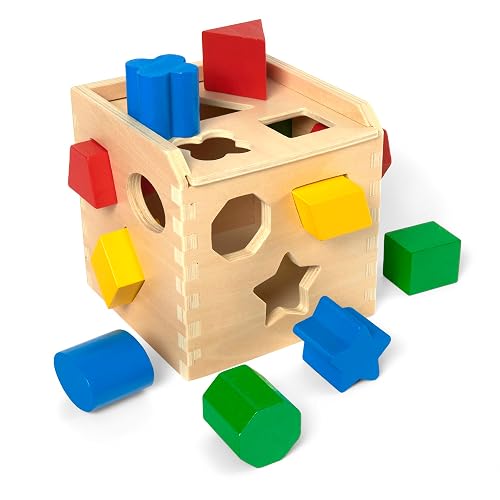
Shopping for one? See our guide: See and Spell Learning Toys Review: Melissa & Doug Wooden Set Pros and Cons.
- Simple pop-up or cause-and-effect toys that stop until the child says a sound or word, such as “go” or “more.”
- Stacking and nesting sets that let you name sizes and colors (“big red,” “little blue”).
- Animal figures and farm sets that pair naturally with animal sounds and single words.
- Picture-based lotto or matching games for pointing and naming.
- Bubbles, play dough, and pretend-food sets that create requests like “open,” “help,” or “eat.”
Avoid toys that talk for the child. Electronic toys that play full songs or narrate everything reduce the number of words a child has to produce. A toy that waits for your child to speak is the better choice.
Use the Toy to Model Language
A toy only helps speech when an adult uses it to model words. Try this routine in short sessions of five to ten minutes:
- Sit at your child’s eye level and let them choose the toy.
- Name the object once, clearly and slowly, such as “Ball.”
- Describe what you see in two-word phrases: “Ball roll,” “Ball up.”
- Pause for five seconds after your last word. Wait for a sound, gesture, or word.
- Repeat the child’s attempt back in a correct, full form, then add one new word.
This technique, often called expansion, keeps the focus on communication rather than correction. Never ask your child to repeat a word as a test.
Build a Simple Weekly Routine
Consistency matters more than length. Pick two or three toys for the week and rotate them every few days so the vocabulary stays fresh but manageable. Keep the toy set small enough to see at once, and put the rest away. A short daily routine with one toy category, such as animals on Monday and bubbles on Tuesday, makes it easy to repeat the same core words in different settings.
If you want a structured plan, many parents pair these routines with the printable weekly guides on this site. You can also browse Play Based Learning Toys for 3 Year Olds: 7 Best Picks (2026) for more toy ideas suited to older preschoolers.
Recommended gear
These options fit the approach above and are easy to find on Amazon US.
- Melissa & Doug Wooden Farm Animals: Large, sturdy figures that invite animal sound and single-word practice. View on Amazon
- Fisher-Price Laugh and Learn Smart Stages Chair: A toy that responds to your child’s input, useful for turn-taking. View on Amazon
- Melissa & Doug Stacking Rings Toddler Toy: Good for naming colors, sizes, and “more” requests. View on Amazon
Common mistakes to avoid
- Asking too many questions. “What’s that? Can you say it?” can make a child stop talking. Name and wait instead.
- Correcting pronunciation. Model the word correctly without asking for a repeat.
- Using screens as a substitute. Video and audio toys rarely prompt back-and-forth conversation.
- Giving too many toys at once. A crowded play area spreads attention thin.
- Expecting quick results. Vocabulary often grows in bursts after weeks of steady modeling.
If your child has fewer than about 10 words by age two, or you have concerns about hearing or speech development, talk with your pediatrician or a speech-language pathologist. Early evaluation helps, and a professional can recommend targeted activities.
FAQ
What age are learning toys for speech best for?
Toys that prompt naming and simple requests work well from about 12 months, and they stay useful through preschool. Choose toys that match your child’s current level rather than their age.
How long should a speech play session last?
Five to ten minutes of focused play, once or twice a day, is usually enough. Stop before your child loses interest.
Do electronic learning toys help speech?
Some do, but simple toys that require your child to speak or gesture usually encourage more talking than toys that sing or narrate on their own.
Conclusion
The best learning toys to help with speech are simple, open-ended, and paired with an adult who names, pauses, and expands. Use a small rotation of toys in short daily sessions, and let your child’s attempts guide the next word. Steady, playful practice is what makes the difference over time.
Related reading
- VTech Learning Walker Toys R Us: How to Choose and Set Up the Right Walker
- VTech Learning Toys for 2 Year Olds: How to Choose the Right Ones
- VTech Electronic Learning Toys: How to Choose the Right Ones for Your Child
- Toys for Learning Disabilities: 7 Best Picks Compared for Home Learning (2026)
- Toys for 3 Year Olds Learning: 5 Best Picks Compared (2026)
Ready to choose one?
About Colin Foster
Colin Foster is part of our editorial team and reviews and edits our early learning at home guides, checking product details against manufacturer specifications and owner feedback.