 By Colin Foster
Updated November 2026
Learning toys for autism work best when they match how your child explores the world. The right toy holds attention, invites repetition and gives a clear cause-and-effect result. This guide shows you how to match toys to your child’s sensory profile and skill level, set them up so they teach something, and avoid the common traps that leave good toys sitting unused.
Start With Your Child’s Sensory Profile and Interests
Before you shop, watch how your child plays for three to five days. Note which textures they seek out, which sounds make them lean in or cover their ears, and what they return to again and again. A child who lines up objects may do well with stacking and sorting sets, while a child who mouths or spins things may need chunky, sturdy pieces with contrasting colors.
Occupational therapists often describe children as seeking input (more movement, pressure or sound) or avoiding it (needing calmer, softer options). Use that language to guide your choices, and check with your child’s therapist if you are unsure which direction your child falls.
Match the Toy to One Clear Skill
A toy that teaches too many things at once can overwhelm. Pick one target skill per toy, such as matching shapes, pressing a button to start a sound, or passing a ball back and forth. Then check whether the toy lets your child succeed at a small step, because early wins keep them engaged.
The table below shows common skill areas and toy types that fit each one.
| Target skill | Toy type to look for |
|---|---|
| Cause and effect | Big push buttons that light up or play a sound |
| Matching and sorting | Shape sorters and peg boards with clear color or shape cues |
| Fine motor control | Large beads, pegs and tongs with a firm grip |
| Turn-taking | Simple board games with two to four pieces and short rounds |
| Communication | Picture cards, bubble toys and toys that prompt a single word |
Set Up the Play Space to Support Learning
Environment shapes how a toy gets used. Follow these steps to set up a focused play session:
- Clear the table or floor so only one toy is out at a time.
- Sit at your child’s eye level, within arm’s reach, and keep your voice calm.
- Model the first two or three steps, then pause and wait for your child to try.
- Stop while they are still engaged, usually after five to ten minutes for toddlers.
- Store the toy in a bin or on a high shelf so it feels new the next time.
Rotating three to five toys each week keeps interest high without cluttering the room. Many families find that a toy used only during a set daily routine becomes a reliable signal that it is time to focus.
Check Safety and Durability Before Buying
Look for toys with no small detachable parts if your child still mouths objects, and check that batteries sit behind a screw-secured cover. Manufacturers typically specify age ranges based on choking hazards, so follow those ranges and treat them as a minimum for supervision. If your child has sensory or motor concerns, ask an occupational therapist or developmental pediatrician to review your choices.
Common Mistakes to Avoid
- Choosing toys by age label alone rather than by your child’s current skill level.
- Offering too many toys at once, which can scatter attention.
- Stepping in too fast; wait a few seconds before helping.
- Keeping a toy that is no longer engaging instead of trying a different texture or sound.
- Ignoring sensory reactions, such as covering ears or rejecting a texture.
Recommended Gear
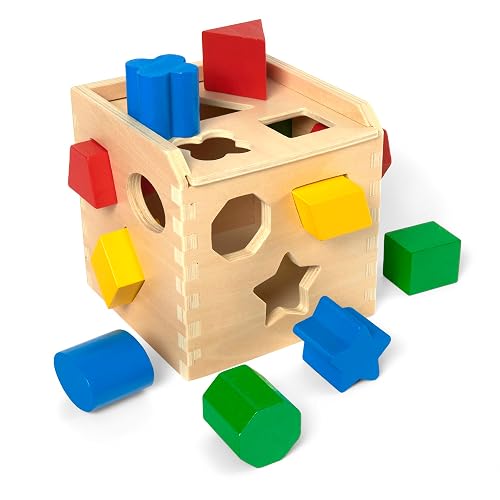
- Melissa & Doug Shape Sorting Cube: A chunky sorter that gives clear shape-to-hole matching for early problem solving. View on Amazon
- Melissa & Doug Wooden Stacking Rings: Large pieces that build grip strength and sequencing. View on Amazon
- Fisher-Price Laugh & Learn Puppy: A responsive toy with buttons that reinforce cause and effect. View on Amazon
For more ideas organized by age and skill, see 7 Best Sensory Learning Toys for Autism Compared (2026) and Toys for Learning Disabilities: 7 Best Picks Compared for Home Learning (2026). If your child is ready for letter practice, Top 5 Best Toys for Learning the Alphabet: Buyer's Guide for Preschoolers covers good options.
FAQ
What age should I start using learning toys for autism?
You can start as early as infancy with high-contrast, sturdy toys that respond to touch. Match the toy to your child’s current skills, not to a birthday label.
How long should a play session last?
For toddlers and young preschoolers, five to ten minutes of focused play is a good starting point. Extend the time gradually as attention grows.
When should I talk to a professional about my child’s play skills?
Talk to your pediatrician or a developmental specialist if your child shows limited interest in toys, repeats play in rigid ways, or has not reached expected milestones. A professional can recommend an individualized plan.
Conclusion
Good learning toys for autism start with close observation of your child’s interests and sensory needs. Choose toys that target one clear skill, set up short and predictable play sessions, and rotate options to keep them fresh. Check with your child’s care team whenever you have questions about development or therapy goals.
Related reading
- VTech Learning Walker Toys R Us: How to Choose and Set Up the Right Walker
- VTech Learning Toys for 2 Year Olds: How to Choose the Right Ones
Ready to choose one?
About Colin Foster
Colin Foster is part of our editorial team and reviews and edits our early learning at home guides, checking product details against manufacturer specifications and owner feedback.