 By Colin Foster
Updated November 2026
Parents looking for learning toys for 2nd graders usually want something that does more than fill time. Seven- and eight-year-olds are building fluency with addition and subtraction, working through early multiplication, sharpening spelling, and learning to think through problems on their own. A good toy at this age should feel like play to the child while quietly giving practice on skills the classroom is already teaching. The picks below were selected by reviewing manufacturer specifications, brand reputation for educational products, and patterns that owners commonly report about durability, age fit and how well a game holds attention over repeated sessions.
Our top picks at a glance
- 1
 TOP CHOICEBest overallLearning Resources MathLink Cubes, Homeschool, Educational Counting ToView on Amazon
- 2
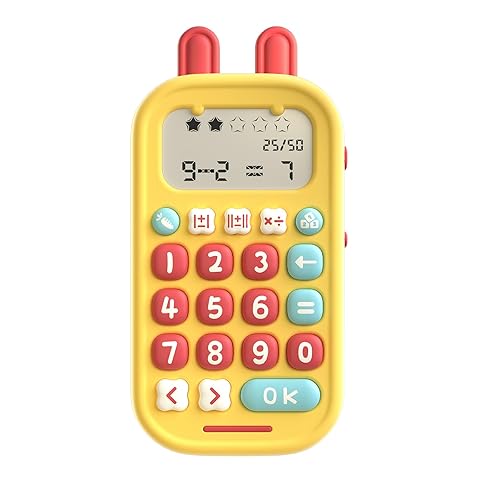 TOP CHOICEBest for drilling basic operationsPracticing Addition, Subtraction, Multiplication and Division, EducatiView on Amazon
- 3
 TOP CHOICEBest for spelling practiceBenBen Spelling Games, 224 Flashcards, 208 Wood Letter Tiles, 1-4 PlayView on Amazon
- 4
 Best for hands-on fact familiesCoogam Math Counting Game, Math Manipulative Learning Swat The Fly CarView on Amazon
- 5
 Best budget pickElectronic Math Games for Kids Ages 6-8, Handheld Math Game, AdditionView on Amazon
Our Top Picks
Quick Comparison
| Product | Best for | Key feature |
|---|---|---|
| Learning Resources MathLink Cubes | Hands-on math and building number sense | Set of 100 interlocking cubes |
| alilo Math Games for Kids | Daily drill across four operations | Five modes and 19 math games |
| BenBen Spelling Games | Spelling and letter recognition | 224 flashcards and 208 wooden letter tiles |
| Coogam Math Counting Game | Fact families and quick recall | Swat-the-fly card game format |
| Educational Insights Math Whiz | Portable, independent practice | Handheld electronic game for addition, subtraction, multiplication and division |
Learning Resources MathLink Cubes, Homeschool, Educational Counting Toy, Math Cubes, Linking Cubes, Early Math Skills, Math Manipulatives, Set of 100 Cubes, STEM Toys, Ages 5+
Learning Resources MathLink Cubes, Homeschool, Educational Counting Toy, Math Cubes, Linking Cubes, Early Math Skills, Math Manipulatives, Set of 100 Cubes, STEM Toys, Ages 5+
Best for: Hands-on math and building number sense
This set suits a second grader who still counts on fingers or who needs to see why regrouping works. Children can snap cubes into towers of ten, build arrays for multiplication, and model word problems with physical objects before moving to paper.
Key specs
- Set of 100 interlocking linking cubes
- Designed for ages 5 and up, so it stays useful well past second grade
- Manufacturer positions the set for counting, sorting and early math manipulation
Pros
- Makes place value and regrouping visible and tangible
- Works for addition, subtraction, multiplication and simple patterns
- Open-ended, so it keeps working as skills grow
Cons
- Requires a parent or older sibling to set up problems at first
- Cubes can scatter, so a storage tray helps
Bottom line: A strong first choice for families who want one versatile manipulative that supports math across several grade levels. If you want more background, see 6 Best Learning Toys for Second Graders at Home (2026).
Practicing Addition, Subtraction, Multiplication and Division, Educational Toy with 5 Modes, 19 Math Games, 50K Math Questions alilo Math Games for Kids Ages 5-12, Portable Math Toys for Travel
Practicing Addition, Subtraction, Multiplication and Division, Educational Toy with 5 Modes, 19 Math Games,50K Math Questions alilo Math Games for Kids Ages 5-12, Portable Math Toys for Travel
Best for: Daily drill across four operations
This handheld option fits children who need repeated, low-pressure practice on facts. It is a good match for car rides, waiting rooms or a short independent session after homework.
Key specs
- Five game modes and 19 math games, as listed
- Covers addition, subtraction, multiplication and division
- Marketed for ages 5 to 12 and designed for portable use
Pros
- Large question bank reduces repetition
- Portable and easy for a child to use alone
- Multiple modes let a parent adjust difficulty
Cons
- Screen-based play may not appeal to every child
- Less useful for children who need concrete, hands-on models
Bottom line: Best for families who want quick, portable fact practice that a child can run without much supervision.
BenBen Spelling Games, 224 Flashcards, 208 Wood Letter Tiles, 1-4 Players, Learning Games for Kids 4-8, Educational Toys for Kindergarten 1st 2nd Grade, Preschool Classroom Must Haves
BenBen Spelling Games, 224 Flashcards, 208 Wood Letter Tiles, 1-4 Players, Learning Games for Kids 4-8, Educational Toys for Kindergarten 1st 2nd Grade, Preschool Classroom Must Haves
Best for: Spelling and letter recognition
Second graders are expanding their word banks and learning common spelling patterns. This set lets them build words with physical tiles and practice with flashcards, which works well for a child who learns by manipulating objects.
Key specs
- 224 flashcards and 208 wooden letter tiles, per the listing
- Supports one to four players
- Labeled for kindergarten through second grade use
Pros
- Multiplayer games make spelling practice feel social
- Tiles reinforce letter sequencing and phonics patterns
- Covers a useful range of grade levels
Cons
- Small tiles can be a choking hazard for younger siblings
- Requires a dedicated table or tray to keep tiles organized
Bottom line: A good choice for a child who needs spelling practice and enjoys games with siblings or friends.
Coogam Math Counting Game, Math Manipulative Learning Swat The Fly Cards, Practice with Addition, Subtraction, Multiplication & Division, 1st 2nd & 3rd Grade Educational Toy for Homeschool
Coogam Math Counting Game, Math Manipulative Learning Swat The Fly Cards, Practice with Addition, Subtraction, Multiplication & Division, 1st 2nd & 3rd Grade Educational Toy for Homeschool
Best for: Fact families and quick recall
This game turns fact practice into a fast, physical activity. It suits a child who gets restless with worksheets but enjoys a quick competitive round.
Key specs
- Swat-the-fly format with math cards
- Covers addition, subtraction, multiplication and division
- Listed for first through third grade homeschool use
Pros
- Active format keeps energy up during practice
- Works well for recall of facts under light time pressure
- Easy to play with one or more children
Cons
- Card-based games need reshuffling and setup each time
- Less suited to deep, multi-step problem solving
Bottom line: Ideal for families who want a game that makes math drills feel like a race rather than a chore.
Electronic Math Games for Kids Ages 6-8, Handheld Math Game, Addition and Subtraction Toys, Multiplication and Division Games Educational Insights Math Whiz
Electronic Math Games for Kids Ages 6-8, Handheld Math Game, Addition and Subtraction Toys, Multiplication and Division Games Educational Insights Math Whiz
Best for: Portable, independent practice
This handheld electronic game is designed for children who can work through problems on their own. It is useful for a child who wants to practice independently or during downtime.
Key specs
- Handheld electronic format
- Addition, subtraction, multiplication and division games
- Listed for ages 6 to 8, which overlaps the second grade range
Pros
- Lets a child practice without adult help
- Compact and easy to pack
- Covers all four operations in one device
Cons
- Screen-based and battery-dependent
- Limited for hands-on, concrete understanding
Bottom line: A practical pick for parents who want an affordable, independent practice tool that covers the core operations.
Buying Guide
Match the Toy to the Skill Gap
Before buying, look at your child’s recent homework or report card comments. If addition facts are slow, choose a drill-focused game. If your child struggles to understand why regrouping works, a manipulative will do more than a flashcard set. Naming one specific gap keeps the purchase focused.
Good picks for this: Learning Resources MathLink Cubes, alilo Math Games for Kids
Hands-On Versus Screen-Based Play
Physical toys like cubes and letter tiles let children move and arrange objects, which helps with conceptual understanding. Electronic games offer instant feedback and can run without an adult. Many families use both, with hands-on tools for learning new ideas and screen-based games for independent review.
Good picks for this: BenBen Spelling Games, Educational Insights Math Whiz
Check the Age Range and Grade Fit
Many toys list ages 5 to 8 or kindergarten through third grade. A wider range can be a benefit, since it means the toy will stay useful as your child grows. Avoid products that are clearly built for much younger children, because a second grader will likely lose interest quickly.
Good picks for this: Coogam Math Counting Game, Learning Resources MathLink Cubes
Consider Portability and Storage
If you plan to use a toy in the car or at a relative’s house, look for compact sizes and sealed storage. Games with many small pieces need a tray or bag. Tiles, cubes and cards are easy to lose, so plan a dedicated container from the start.
Good picks for this: alilo Math Games for Kids, Educational Insights Math Whiz
Look at Durability and Materials
Wooden tiles and sturdy plastic cubes generally hold up better under daily use than thin cardboard. Check whether a game has replaceable parts or whether missing cards will make it unusable. Owners often report that well-made physical sets last through several siblings.
Good picks for this: BenBen Spelling Games, Learning Resources MathLink Cubes
Think About Solo Versus Group Play
Some children prefer to work alone and track their own progress. Others learn better when they compete or cooperate. Multiplayer games can make practice more motivating, while single-player modes allow focused review. Consider your child’s temperament and whether you have time to play along.
Good picks for this: BenBen Spelling Games, Coogam Math Counting Game
Plan for Care and Supervision
Most of these toys need little maintenance beyond wiping surfaces and keeping pieces together. Electronic games need battery checks. Small tiles and cards should be kept away from younger children. Setting a regular storage spot helps the toy stay in use.
Good picks for this: Educational Insights Math Whiz, BenBen Spelling Games
FAQ
What skills should a 2nd grader be practicing at home?
Most second-grade programs focus on addition and subtraction within 100, place value, early multiplication concepts, reading fluency, spelling of common patterns and basic measurement. Toys that reinforce these areas are the most useful at home.
Are learning toys for 2nd graders worth buying if school already covers math?
Yes, when they provide extra practice on specific skills. Many children benefit from repeated, low-stakes practice that a classroom cannot always offer. Choose toys that match what your child is currently learning rather than buying everything at once.
Should I choose physical or electronic toys?
Physical manipulatives help children understand why math works, while electronic games give quick practice and feedback. Many families use both. If your child is struggling with a concept, start with hands-on tools.
How long should a child play with these toys each day?
Short, consistent sessions work better than long ones. Ten to fifteen minutes a day is a common starting point for focused practice. Watch for signs of frustration or boredom and adjust the length or difficulty.
Are small pieces safe for second graders?
Most second graders are old enough to handle small pieces responsibly, but younger siblings may not be. Keep tiles, cubes and cards out of reach of children under three, and check each product’s age labeling.
Do these toys replace tutoring or school instruction?
No. They support practice and can make learning more engaging, but they do not replace teacher guidance. If your child is falling behind, talk with the classroom teacher or a qualified educational specialist about a plan.
How do I know if a toy is the right difficulty?
A good fit lets your child succeed most of the time while still making them think. If every question feels impossible, step down a level. If the toy becomes boring within a few sessions, try a more challenging mode or a different game.
Conclusion
For a child who needs a flexible foundation in math, the Learning Resources MathLink Cubes are a strong starting point. Families focused on daily fact drills may prefer the alilo Math Games for Kids, while spelling practice fits well with the BenBen Spelling Games. The Coogam Math Counting Game suits children who respond to fast, active rounds, and the Educational Insights Math Whiz is a practical choice for independent, portable practice. Matching the toy to a specific skill gap will get you the most value.
Sources
- Federal guidance on education standards and how families can support learning at home (ed.gov)
- Consumer safety information on toy choking hazards and age labeling (cpsc.gov)
- Mathematics teaching principles and recommended approaches for early grades
Related reading
- VTech Learning Toys for 2 Year Olds: How to Choose the Right Ones
- VTech Electronic Learning Toys: How to Choose the Right Ones for Your Child
- Toys for 3 Year Olds Learning: 5 Best Picks Compared (2026)
- Top Preschool Learning Toys: 7 Best Picks Compared (2026)
- Top 7 Learning Resources Numberblocks Toys for Preschool Math
About Colin Foster
Colin Foster is part of our editorial team and reviews and edits our early learning at home guides, checking product details against manufacturer specifications and owner feedback.


