By Colin Foster
Updated November 2026
Toys for learning math help young children build number sense, counting skills and early logic through hands-on play. This guide shows you how to match a math toy to your child’s age, how to use it in short sessions, and what to avoid. By the end, you will have a simple plan for turning everyday play into math practice.
Start With Your Child’s Math Stage
Math toys work best when they match what your child can already do. A toddler who is still learning to count to three needs something different from a five-year-old who is adding small numbers.
Shopping for one? See our guide: Top 7 Learning Resources Numberblocks Toys for Preschool Math.
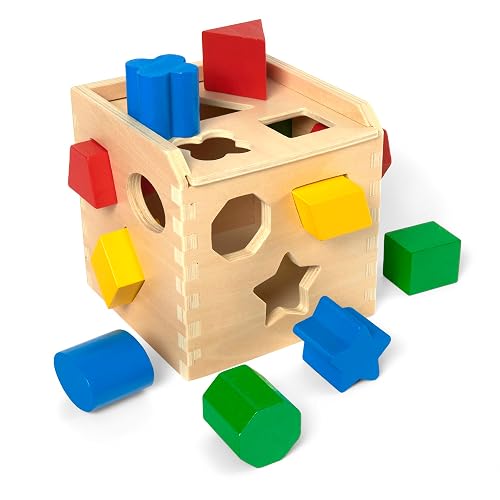
- Ages 2 to 3: Look for shape sorters, stacking cups, and large chunky counting pieces. The focus is matching, sorting and saying number words.
- Ages 3 to 4: Choose toys with numerals, pattern cards and simple counting tasks, such as sorting bears by color and counting them.
- Ages 5 and up: Pick toys that involve addition, subtraction, place value or measurement, such as dice games and balance scales.
Choose Toys That Show Quantity Visually
Young children understand numbers best when they can see and touch them. Toys with countable objects, like linking cubes, counting bears or base-ten blocks, let your child connect a number to an actual amount. Abstract number puzzles can come later.
Look for toys where each piece is a single unit, so your child can count one-to-one. Blocks that snap together in groups of ten are useful once your child is counting past twenty, because they show how tens and ones fit together.
Build a Weekly Math Play Routine
A short, regular session does more than a long, occasional one. Plan 10 to 15 minutes, three to five times a week, and rotate between two or three toys so the activities stay fresh.
- Pick one math skill for the week, such as counting to 10 or comparing “more” and “less.”
- Introduce the toy and model the task once, saying the numbers out loud.
- Let your child try the task while you ask open questions, like “How many bears do you have now?”
- Pause after about 10 minutes and end on a success, even a small one.
If you want a structured sequence, the Top 5 Best Toys for Learning the Alphabet: Buyer's Guide for Preschoolers guide shows how letter and number play can be scheduled in the same way.
Pick Toys That Support Several Skills at Once
A good math toy often teaches more than numbers. Board games with dice build counting and turn-taking. Puzzles with patterns build spatial reasoning. Electronic counting toys can add sound and feedback, though they work best when a parent is nearby to talk through the activity.
| Toy type | Math skill | Good for ages |
|---|---|---|
| Linking cubes | Counting, patterns, addition | 3 and up |
| Dice and board games | Counting on, number recognition | 3 and up |
| Shape sorters | Geometry, matching | 2 to 4 |
| Balance scales | Comparison, measurement | 4 and up |
Common Mistakes to Avoid
- Choosing a toy that is too advanced. If your child gets frustrated within minutes, step back to a simpler version.
- Correcting every wrong answer. Ask a question that leads to the right answer instead.
- Letting the toy do all the teaching. Narrate what you are doing and ask your child what they notice.
- Expecting daily perfection. Some weeks your child will skip the math toys, and that is normal.
- Buying a large set all at once. Start with one or two toys and add more when your child is ready.
Recommended Gear
Linking cubes are a flexible starting point, since they can be used for counting, sorting, patterns and early addition. View on Amazon
A set of wooden counting bears with sorting cups lets children practice one-to-one counting and grouping with objects they can easily hold. View on Amazon
A balance scale encourages comparison, measurement and early reasoning about “heavier” and “lighter.” View on Amazon
FAQ
What age should children start using math toys?
Many children can begin with simple counting and sorting toys around age two. Focus on matching and naming quantities before moving to written numbers.
How often should I use math toys with my child?
Ten to fifteen minutes, three to five times a week, is a practical starting point. Short, consistent sessions usually work better than long, infrequent ones.
Are electronic math toys better than hands-on ones?
Not necessarily. Hands-on toys let children handle and count real objects, which builds understanding. Electronic toys can add variety, but they work best alongside hands-on play and adult conversation.
Conclusion
The right math toy matches your child’s current skills and gives them something real to count, sort or compare. Keep sessions short, ask open questions and rotate toys so the learning stays interesting. Start with one or two well-chosen toys and build from there.
Related reading
- 6 Best Math Learning Toys for 5 Year Olds: Our Picks Compared
- VTech Learning Walker Toys R Us: How to Choose and Set Up the Right Walker
- VTech Learning Toys for 2 Year Olds: How to Choose the Right Ones
Ready to choose one?
About Colin Foster
Colin Foster is part of our editorial team and reviews and edits our early learning at home guides, checking product details against manufacturer specifications and owner feedback.