By Colin Foster
Updated November 2026
A learning toys ahşap çarpım tablo seti is a wooden multiplication table set, usually a box of tiles, boards or pegs that shows multiplication facts in a hands-on way. This guide explains how to choose one that fits your child’s age, how to introduce it in short sessions, and how to avoid the mistakes that make these sets frustrating instead of fun. By the end, you will have a simple plan for using the set at home.
Check Whether the Set Fits Your Child’s Stage
Wooden multiplication sets are usually aimed at children who already count to 20 and understand that a group of objects can be counted in equal parts. Children much younger than that will get more from the simpler number and counting toys they already use. If your child is ready, look for a set that shows the facts in a clear grid, with the answers printed or marked on each piece so your child can check their own work.
Shopping for one? See our guide: See and Spell Learning Toys Review: Melissa & Doug Wooden Set Pros and Cons.
Pick the Right Format
Sets come in a few common formats. Each one suits a different learner:
- Tile sets with numbered rows and columns let a child build a grid and read the product where the row meets the column.
- Peg or bead boards let a child show equal groups physically, which helps with the idea of “3 groups of 4.”
- Flip or card sets work well for quick practice once the concept is familiar.
If you are unsure which format to start with, a tile grid is usually the easiest to explain because the answers sit in a fixed place. You can compare other hands-on math options in Toys for Learning Numbers: 6 Ways to Build Early Math Skills at Home, which covers similar counting-group ideas.
Set Up a Short Daily Routine
Keep sessions to 5 to 10 minutes. Follow these steps:
- Place the board on a flat table with a clear work area of about 30 cm around it.
- Pick one row, such as the 2s, and say the facts aloud as your child places the pieces.
- Ask your child to find the product for one random pair, like 2 × 7, and check it together.
- Stop while your child still wants to keep going, then return to the same row the next day.
Once a row feels comfortable, move to the next one. Many families find the 2s, 5s and 10s easiest to start with because they match patterns children already notice on clocks and coins.
Connect the Facts to Real Groups
Before using the board, have your child build groups with everyday objects such as blocks, crackers or buttons. Asking “How many in 4 bags with 3 in each?” makes the board’s numbers feel meaningful instead of memorized.
Checklist Before You Start
- A wooden set with all pieces counted and the board intact
- A flat, well-lit table with room to spread out
- A small pile of counters or objects for building groups
- A timer set for 5 to 10 minutes
- A pencil and paper for a quick check at the end
Tips and Common Mistakes
- Do not start with the hardest row. Begin with 1s, 2s and 10s, then build up.
- Avoid drilling. Five minutes of focused play beats thirty minutes of pressure.
- Do not correct every error at once. Pick one mistake per session and talk it through.
- Store the pieces in order so your child can find them quickly next time.
- Watch for signs of frustration, such as pushing the board away, and shorten the session.
Recommended Gear
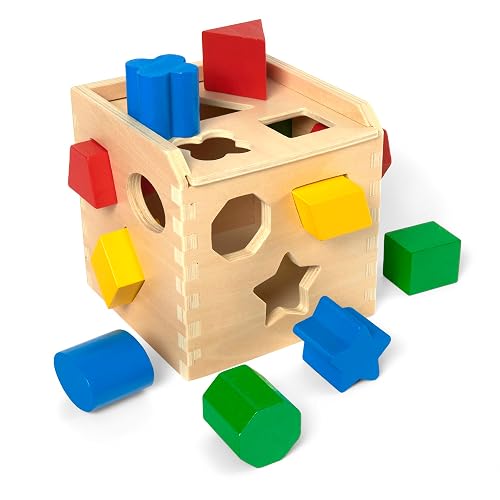
- Wooden multiplication tile set: a grid-style board that shows products in fixed positions, which makes it easy for a child to check their own answers. View on Amazon
- Counting bears or colored counters: useful for building equal groups before moving to the board. View on Amazon
- Wooden peg board: lets your child show multiplication as repeated groups with a hands-on, tactile feel. View on Amazon
FAQ
What age is a wooden multiplication set best for?
Most sets suit children who can count to 20 and understand equal groups, often around age 6 or 7. Younger children can still explore the grid with help if they show interest.
Should I use the set every day?
Short daily sessions of about 5 to 10 minutes work better than long, occasional ones. Skip days when your child seems tired or distracted. A related read: Learning Toys Ahşap Oyuncakları: A Step-by-Step Guide for Parents (2026).
What if my child gets frustrated?
Step back to a row they already know well, and praise the effort rather than the speed. If frustration continues, check with your child’s teacher or a professional for guidance on learning support.
Conclusion
A learning toys ahşap çarpım tablo seti works best when it matches your child’s stage, is introduced in short sessions, and is tied to real groups of objects. Start with the easiest rows, keep the routine light, and let your child lead the pace. With steady practice, the grid becomes a familiar tool for building multiplication confidence.
Related reading
- Wooden vs Plastic Early Learning Construction Toys: Which Is Better? (2026)
- VTech Learning Walker Toys R Us: How to Choose and Set Up the Right Walker
- VTech Learning Toys for 2 Year Olds: How to Choose the Right Ones
- VTech Electronic Learning Toys: How to Choose the Right Ones for Your Child
Ready to choose one?
About Colin Foster
Colin Foster is part of our editorial team and reviews and edits our early learning at home guides, checking product details against manufacturer specifications and owner feedback.