By Colin Foster
Updated November 2026
Learning to talk toys are designed to get toddlers naming objects, copying sounds, and answering simple questions through play. This guide explains what to look for in a learning to talk toy, how to use it in short daily sessions, and how to tell whether it is actually helping your child’s speech. You will finish with a clear buying checklist and a routine you can start this week.
Step 1: Match the Toy to Your Child’s Current Stage
Not every talking toy suits every toddler. A child who is just starting to babble needs a toy that responds to sounds and shows simple cause and effect. A child who already says two- and three-word phrases gets more from toys that prompt sentences, such as those asking “What’s this?” or “Which one do you want?”
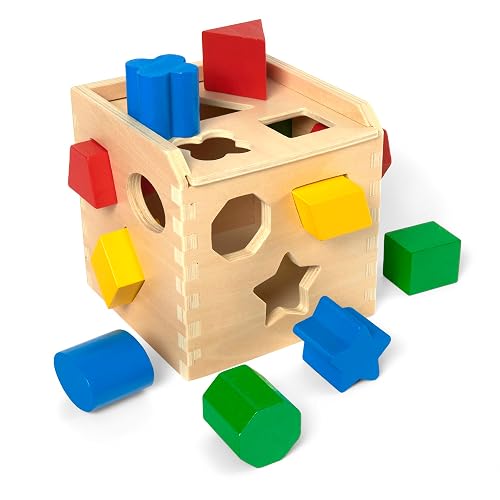
Shopping for one? See our guide: See and Spell Learning Toys Review: Melissa & Doug Wooden Set Pros and Cons.
Look for a few practical features:
- Clear, slow speech at a volume you can hear without straining
- Single words or short phrases that match real objects, animals, or actions
- Buttons or flaps your child can press or open without help
- Repeat or pause settings so you can control the pace
Avoid toys that play long songs or stories nonstop. Your child needs gaps to respond, and constant noise leaves no room for talking back.
Step 2: Set Up a Short Daily Routine
Consistency beats duration. Ten minutes a day, split into two sessions, usually works better than a single long block. Sit beside your child rather than handing over the toy, because you are the one who models speech and reacts to what your child says.
- Pick a quiet spot with few other distractions.
- Start the toy and let it run one full phrase or prompt.
- Pause and wait about five seconds for your child to point, sound, or repeat.
- Repeat the word yourself in a full sentence, such as “Yes, that is a dog!”
- End the session while your child is still engaged, before frustration sets in.
Step 3: Extend Learning Beyond the Toy
A talking toy works best when the same words show up in everyday life. After a session on animals, point out the dog on your walk and use the same word. Speech therapists often recommend this kind of “repeat in real life” practice because toddlers generalize words more easily when they hear them in several settings.
If you are curious about related options, the article VTech Learning Toys for 2 Year Olds: How to Choose the Right Ones covers toys sized for this age group. For letter-focused play, Toys for Learning Letters: How to Choose and Use the Best Ones at Home explains how to connect sounds with the alphabet.
Step 4: Track Progress and Know When to Ask for Help
Keep a simple log of new words your child uses, noting the date and the context. Over a few weeks, you will see whether vocabulary is growing. Owners and early-learning parents often report noticing more imitation first, then more spontaneous words.
| What to watch | What it may mean |
|---|---|
| No new sounds or words after several months | Consider a check-up with your pediatrician |
| Imitates sounds but does not use words on her own | Normal for some children; keep modeling |
| Frustration when toy does not respond | Shorten sessions and choose a simpler toy |
Speech concerns are best evaluated by a pediatrician or speech-language pathologist, so consult a professional if you have doubts.
Common Mistakes to Avoid
- Letting the toy talk for the whole session without pausing for your child
- Choosing toys with too many words per prompt for your child’s level
- Using screens as a substitute for face-to-face conversation
- Expecting results in a week; vocabulary builds over months
- Skipping praise, which is what keeps a toddler willing to try new sounds
Recommended Gear
A few supplies make learning to talk toys more effective at home:
- A basic picture book with one object per page makes a good companion, since it lets your child point and name at their own pace. View on Amazon
- Large, simple flashcards help you reinforce the words from the toy during quiet moments. View on Amazon
- A sturdy shelf or bin keeps the toy and cards together so sessions start quickly. View on Amazon
FAQ
How long should each learning to talk toy session last?
Five to ten minutes is a good target for most toddlers. Stop before your child loses interest, even if the toy is still running.
Do learning to talk toys replace conversation with parents?
No. They work best as a prompt for real back-and-forth talk. Use the toy to start a conversation, then continue it yourself.
When should I see a professional about my child’s speech?
If your child has no words by about 18 months, has stopped using words they once had, or you are worried about their hearing or understanding, talk with your pediatrician. A speech-language pathologist can give a formal evaluation.
Conclusion
Learning to talk toys can help toddlers build vocabulary when you choose them for your child’s stage and use them in short, interactive sessions. Pause often, repeat words in everyday life, and track new sounds over time. Keep the routine light and positive, and seek professional advice if progress stalls.
Related reading
- VTech Learning Walker Toys R Us: How to Choose and Set Up the Right Walker
- VTech Electronic Learning Toys: How to Choose the Right Ones for Your Child
Ready to choose one?
About Colin Foster
Colin Foster is part of our editorial team and reviews and edits our early learning at home guides, checking product details against manufacturer specifications and owner feedback.