By Colin Foster
Updated November 2026
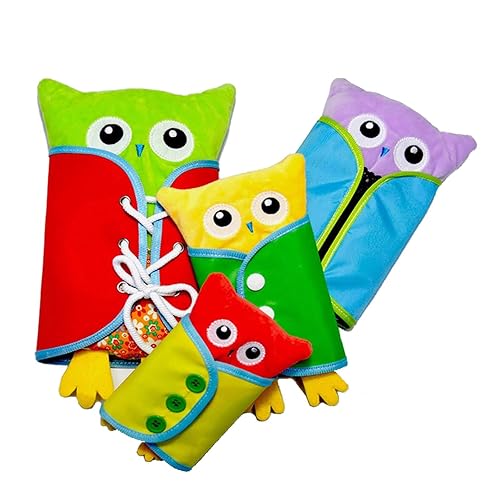
Learning to dress toys is a practical way to teach toddlers and preschoolers the buttons, zippers, snaps and laces they will use every morning. In this guide, you will set up a simple dressing station, practice each closure with a doll or stuffed animal, and move the skills onto your child’s own clothes. Most children can start with large, chunky closures and work toward smaller ones over a few weeks.
Why Dressing Toys Work Before Real Clothes
A toy with clothes gives your child a low-pressure way to practice. There is no rush to get to school, and a doll never complains about a pinched finger. Dressing toys also let your child see the same motion from the outside, which makes the steps easier to copy. Many early educators use this kind of play to build hand strength, bilateral coordination and sequencing, the ability to do steps in order.
Shopping for one? See our guide: See and Spell Learning Toys Review: Melissa & Doug Wooden Set Pros and Cons.
Step-by-Step: Teaching Each Closure
Teach one closure at a time and master it before adding the next. Start with the largest and easiest version of each type.
- Velcro: Begin with a shirt or jacket that has wide hook-and-loop tabs. Show your child how to press the tabs together with the flat of the fingers, then peel them apart slowly.
- Snaps: Use a doll bib or cardigan with four to six large plastic snaps. Have your child line up the top and bottom parts, then press with a firm, straight push.
- Large buttons: Choose a toy shirt with buttons about the size of a nickel. Start by threading the button through the hole on a loose fabric loop, then move to standard buttonholes.
- Zippers: Pick a zip-up hoodie with a large pull tab. Teach the pinch-and-pull motion first, then the line-up step, where your child holds both sides of the zipper together before pulling.
- Laces and ties: Practice with a lacing board or a shoe with thick laces. Introduce the loop-and-tuck method for bows once the child can thread the lace reliably.
Practice Sequence
Dress the doll in the same order each session: undies, pants, shirt, then outerwear. A fixed sequence helps children learn the logic of getting dressed. Spend about ten minutes a day on this routine, and keep the session short enough that your child still wants to come back tomorrow.
Moving Skills to Real Clothes
Once your child can close a closure on a toy three or four times in a row without help, move the same closure to their own clothing. Choose one garment that already fits well so frustration stays low. Hold the garment in front of your child, not on their body, at first, so they can see both sides of the fastening. Then let them try while seated on the floor, where balance is easier.
Pay attention to the small wins. A child who can start a zipper on their own deserves praise, even if you finish the rest. For children with weak grip or slower progress, an occupational therapist can suggest adaptive tools. Consult a professional if your child shows persistent difficulty with several tasks, since this can sometimes signal a motor coordination concern.
Dressing Toy Options at a Glance
| Closure | Best Starting Age | Main Skill Built |
|---|---|---|
| Velcro | About 18 months | Pinch and press |
| Large snaps | About 2 years | Line up and push |
| Big buttons | About 3 years | Hand-eye coordination |
| Zippers | About 3 to 4 years | Two-hand coordination |
| Laces | About 4 to 5 years | Sequencing and bows |
These ages are typical ranges. Some children move faster and some need more time, so let your child’s progress guide you.
Common Mistakes to Avoid
- Introducing too many closures at once. Stick to one new skill every week or two.
- Doing the task for the child. Wait a few seconds before helping so they can try first.
- Using tiny buttons or stiff zippers too early, which leads to frustration.
- Skipping practice on weekends. Short, regular sessions work better than occasional long ones.
- Rushing the process before school. Start practicing at least a month before the goal date.
FAQ
What age should children start learning to dress toys?
Most children can begin around 18 months with velcro and large snaps. Simple practice with a doll is a good first step at that age.
How long should each practice session last?
Ten minutes a day is enough for most preschoolers. Stop before your child loses interest, even if they have not mastered the closure.
What if my child gets frustrated?
Go back to the last closure they mastered and end on a success. Frustration usually means the step is too hard, so simplify the task.
Conclusion
Learning to dress toys gives your child a safe, repeatable way to build the fine motor and sequencing skills that real dressing requires. Move through closures in order, keep sessions short, and transfer each skill to real clothing once it feels comfortable. With steady practice, most children gain real independence within a few months.
Related reading
- VTech Learning Walker Toys R Us: How to Choose and Set Up the Right Walker
- VTech Learning Toys for 2 Year Olds: How to Choose the Right Ones
- VTech Electronic Learning Toys: How to Choose the Right Ones for Your Child
Ready to choose one?
About Colin Foster
Colin Foster is part of our editorial team and reviews and edits our early learning at home guides, checking product details against manufacturer specifications and owner feedback.