By Graham Fisher
Updated November 2026
Parents and home educators searching for early childhood free printable preschool lesson plans usually want the same three things: a clear weekly structure, activities that match how young children learn, and materials they can actually use without hours of prep. This list compares six paid resources that pair well with free printables, based on the criteria below: age fit, how much of the planning is done for you, the number of activities per week, and how well the book supports early literacy and numeracy.
Our top picks at a glance
- 1
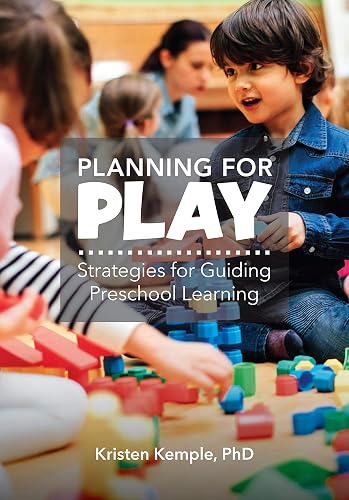 TOP CHOICEBest overallPlanning for Play: Strategies for Guiding Preschool LearningView on Amazon
- 2
 TOP CHOICEBest for complete weekly planningACADEMY of LEARNING Your Complete Preschool Lesson Plan Resource – Volume 1View on Amazon
- 3
 TOP CHOICEBest for homeschool pre-K readinessPreschool at Home: Daily Lesson Plans for Pre-K ReadinessView on Amazon
- 4
 Best for babies and toddlersLesson Plans for Little Ones: Activities for Children Ages Six MonthsView on Amazon
- 5
 Best for letters and numbersToddler Lesson Plans: Learning ABC'sView on Amazon
- 6
 Best for social-emotional skillsPreschool Executive Function Activities & Lesson PlansView on Amazon
Our Top Picks
Quick Comparison
| Product | Best for | Key feature |
|---|---|---|
| Planning for Play | Overall guidance | Play-based teaching strategies |
| ACADEMY of LEARNING Preschool Resource | Complete weekly planning | Full-week lesson structure |
| Preschool at Home | Homeschool pre-K readiness | Daily plans with printables |
| Lesson Plans for Little Ones, Vol. 2 | Babies and toddlers | Ages six months to three years |
| Toddler Lesson Plans: Learning ABC’s | Letters and numbers | Twenty-six week guide |
| Preschool Executive Function Activities | Social-emotional skills | 30 ready-to-use lessons |
Planning for Play: Strategies for Guiding Preschool Learning
Planning for Play: Strategies for Guiding Preschool Learning
Best for: Overall guidance
This suits parents who want to understand why a play-based plan works before they start filling in printables.
Pros
- Explains how to observe children and build lessons around their interests.
- Useful framework that works with any free printable you download.
Cons
- More theory than ready-made weekly pages.
ACADEMY of LEARNING Your Complete Preschool Lesson Plan Resource – Volume 1
ACADEMY of LEARNING Your Complete Preschool Lesson Plan Resource – Volume 1
Best for: Complete weekly planning
A good fit for parents who want a full week mapped out with minimal planning time.
Pros
- Lessons follow a consistent weekly structure you can repeat.
- Covers a broad range of preschool subjects in one place.
Cons
- Less flexible if your child is far ahead or behind the suggested pace.
Preschool at Home: Daily Lesson Plans for Pre-K Readiness
Preschool at Home: Daily Lesson Plans for Pre-K Readiness: A Structured 30–180 Day Homeschool Program with Printables, Assessments, and Skill-Building Practice for Ages 3–5
Best for: Homeschool pre-K readiness
Designed for families running a structured home program for children ages three to five.
Pros
- Daily plans cover programs from 30 to 180 days.
- Includes printables and skill-building practice.
Cons
- Daily pacing can feel demanding for families with very young children.
Lesson Plans for Little Ones: Activities for Children Ages Six Months to Three Years, Volume 2
Lesson Plans for Little Ones: Activities for Children Ages Six Months to Three Years, Volume 2
Best for: Babies and toddlers
Aimed at caregivers of the youngest learners, especially those under three.
Pros
- Activities are grouped by early developmental stage.
- Simple setups that need few materials.
Cons
- Not aimed at the preschool-age children most printable plans target.
Toddler Lesson Plans: Learning ABC’s
Toddler Lesson Plans: Learning ABC's: Twenty-six week guide to help your toddler learn ABC's and numbers(paperback-black and white) (Early Learning)
Best for: Letters and numbers
Suited to families who want a focused, twenty-six-week path through the alphabet and early counting.
Pros
- Clear weekly focus that is easy to follow.
- Black-and-white pages are easy to copy and reuse.
Cons
- Narrower in scope than a full preschool curriculum.
Preschool Executive Function Activities & Lesson Plans
Preschool Executive Function Activities & Lesson Plans: 30 Ready-to-Use Social Emotional Learning Lessons to Build Working Memory, Focus, … (Calm Kids Social Emotional Learning Series)
Best for: Social-emotional skills
Helpful for parents focused on focus, working memory and emotional regulation alongside academics.
Pros
- Thirty ready-to-use lessons with a clear emotional-learning focus.
- Pairs well with printable worksheets.
Cons
- Less coverage of academic subjects like math and reading.
Buying Guide
Match the age range
Check whether the book is written for babies, toddlers or ages three to five. A plan built for toddlers will feel too simple for a four-year-old, and the reverse is also true.
Decide how much planning you want done
If you want a full week ready to go, look for a weekly structure. If you prefer to build your own schedule, a strategy book gives you more room.
FAQ
Are free printable preschool lesson plans enough on their own?
Free printables can cover a lot of ground, but many parents find they need a clear sequence to follow. A structured book adds the planning backbone, activity ideas, and skill progression that loose worksheets often lack. Pairing a guide with free printables is a practical middle path.
What age range should I look for in a preschool lesson plan book?
Most preschool planning resources target children roughly ages 3 to 5, while some cover infants and toddlers. Check the stated age range before buying, since activities for a 2-year-old and a 5-year-old differ a great deal. Choosing a book that matches your child’s developmental stage keeps the lessons engaging and realistic.
How much planning time should a lesson plan book save me?
Some books give you a full day-by-day or week-by-week calendar, while others offer a menu of activities you arrange yourself. If you have little time to prepare, a book with ready-to-use daily plans will save the most effort. If you enjoy designing your own curriculum, a strategy-focused guide may suit you better.
Do these resources help with school readiness skills?
Many of the books on this list focus on early literacy, letter and number recognition, and pre-K readiness skills. Others emphasize social-emotional learning and executive function, such as focus and working memory. Consider which areas matter most for your child before choosing.
Can I use these books in a classroom as well as at home?
Yes, most of these resources work in both settings, though some are written with home educators in mind and others with classroom teachers. Activities that rely on small groups, centers, or circle time are easy to adapt for a classroom. Look at each book’s description to see whether its structure fits your setting.
How do I know if a lesson plan resource is worth it?
Look for clear activity instructions, a logical skill sequence, and printables or materials that are easy to use. Reading a sample page or table of contents can show you how the book is organized. A resource that you will actually open and use each week is usually the best value.
Conclusion
If you want a complete, structured program with daily plans and assessments, a pre-K readiness guide or a full preschool lesson plan volume is the strongest fit. Parents of toddlers should look at the younger-age resources, and those focused on building focus and self-regulation will find the social-emotional title especially useful.
Ultimately, the right choice depends on your child’s age, how much planning time you have, and which skills you want to prioritize. Pairing one of these books with free printables gives you structure and variety without a heavy prep load.
Related reading
- Free Preschool Printable Lesson Plans: A Step-by-Step Weekly Guide
- Preschool Lesson Plans for Homeschool Free: 6 Best Picks Compared (2026)
- Preschool Lesson Plans Template Free: A Step-by-Step Guide for Parents
- Preschool Curriculum Lesson Plans Free: A Step-by-Step Guide for Parents
- Home Preschool Lesson Plans Free: A Step-by-Step Weekly Guide
- Free Weekly Preschool Lesson Plans: A Step-by-Step Guide for Parents
About Graham Fisher
Graham Fisher is part of our editorial team and reviews and edits our early learning at home guides, checking product details against manufacturer specifications and owner feedback.