 By Colin Foster
Updated November 2026
Parents looking for toys that encourage learning usually want something that does more than keep a child busy. They want play that builds letters, numbers, shapes, vocabulary and fine motor control while the child is having fun. The seven picks below were chosen by comparing product specifications, brand reputation for early learning, and the patterns owners tend to describe in their reviews. Each one is matched to a specific need, so you can pick the option that fits your child’s age, your space and your budget.
Our top picks at a glance
- 1
 TOP CHOICEBest overallVTech Little CEO Learning Desk Toddler Activity CenterView on Amazon
- 2
 TOP CHOICEBest for early readingLeapFrog Learning Friends 100 Words BookView on Amazon
- 3
 TOP CHOICEBest for small spacesLeapFrog Little Office Learning Center, GreenView on Amazon
- 4
 Best for fine motor skillsLearning Resources Spike The Original Fine Motor HedgehogView on Amazon
- 5
 Best for alphabet basicsVTech ABC Learning Apple, RedView on Amazon
- 6
 Best for vocabulary buildingAirbition Talking Flash Cards for Toddlers, 224 WordsView on Amazon
- 7
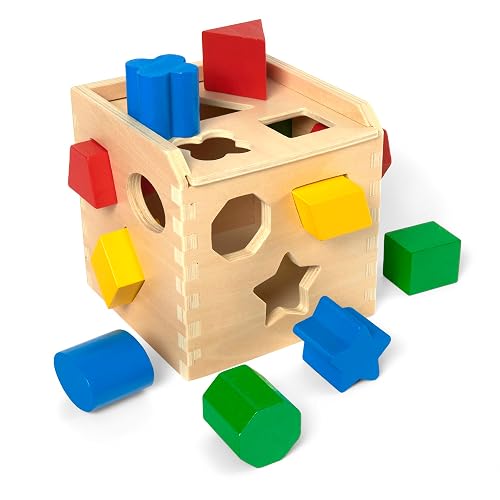 Best budget pickMelissa & Doug Shape Sorting CubeView on Amazon
Our Top Picks
| Product | Best for | Key feature |
|---|---|---|
| VTech Little CEO Learning Desk Toddler Activity Center | All-in-one desk play | Combined activity center with a learning desk layout |
| LeapFrog Learning Friends 100 Words Book | Early reading | Introduces 100 words with spoken audio prompts |
| LeapFrog Little Office Learning Center, Green | Small spaces | Compact desk-style center with counting and letter activities |
| Learning Resources Spike The Original Fine Motor Hedgehog | Fine motor skills | Pegs and pattern tasks that strengthen grip and hand control |
| VTech ABC Learning Apple, Red | Alphabet basics | Letter sounds and short phrases in a handheld format |
| Airbition Talking Flash Cards for Toddlers, 224 Words | Vocabulary building | 224 pictured words with spoken pronunciation |
| Melissa & Doug Shape Sorting Cube | Budget-friendly shape play | Twelve wooden shapes with matching openings |
VTech Little CEO Learning Desk Toddler Activity Center
VTech Little CEO Learning Desk Toddler Activity Center
Best for: All-in-one desk play
This activity center suits toddlers who like to imitate adult work. A child sits at a small desk and works through buttons, letters and numbers, which makes it a good fit for families who want one station that covers several skills.
Key specs
- Desk-style activity center designed for toddlers
- Electronic learning functions with buttons and sounds
Pros
- Covers several skill areas in one station
- Gives a clear play space that encourages sitting and focus
- Pretend-work theme keeps many toddlers engaged
Cons
- Takes up more floor space than handheld toys
- Electronic sounds may not suit every household
Bottom line: Best for families who want a single learning station and have room for a small desk.
LeapFrog Learning Friends 100 Words Book
LeapFrog Learning Friends 100 Words Book
Best for: Early reading
This book is aimed at toddlers and young preschoolers who are beginning to connect spoken words with pictures. Parents who want a simple way to build vocabulary during story time often choose this format.
Key specs
- Introduces 100 words
- Electronic audio prompts for each word
Pros
- Easy for a child to use independently
- Pairs pictures with spoken labels
- Good for short, repeated reading sessions
Cons
- Limited to a set list of words
- Battery replacement is needed over time
Bottom line: A strong pick for parents who want a structured first vocabulary tool for a toddler.
LeapFrog Little Office Learning Center, Green
LeapFrog Little Office Learning Center (Frustration Free Packaging), Green
Best for: Small spaces
This compact center works well in a bedroom corner or a shared play area. It is a practical option for families who need a learning station that does not take over the room.
Key specs
- Desk-style compact learning center
- Frustration Free packaging
Pros
- Fits into small areas
- Combines letters, numbers and simple tasks
- Easy to store when not in use
Cons
- Activities may feel simple for older preschoolers
- Electronic components need battery power
Bottom line: Good for parents with limited space who want a dedicated learning corner.
Learning Resources Spike The Original Fine Motor Hedgehog
Fine Motor Skills Toys, Montessori Color Sorting Toddler Toys, Educational Matching Toddler Learning Toy, Shape Sorter Game Learning Resources Spike The Original Fine Motor Hedgehog
Best for: Fine motor skills
Fine motor development supports writing, buttoning and self-care later on. This hedgehog toy asks a child to pick up and place pegs, which builds grip strength and hand-eye coordination.
Key specs
- Shape sorting and peg-placement activities
- Designed for toddler fine motor practice
Pros
- Builds grip and pincer control
- Includes color and shape matching
- Works well for independent play
Cons
- Small pieces need supervision with young children
- Puzzle may frustrate children who are not ready for it
Bottom line: A good match for toddlers who are practicing grasping and sorting.
VTech ABC Learning Apple, Red
VTech ABC Learning Apple , Red
Best for: Alphabet basics
This handheld apple is built for children who are learning letter names and sounds. It gives parents a simple, low-setup tool for alphabet practice at home.
Key specs
- Handheld electronic learning toy
- Focus on letters and letter sounds
Pros
- Easy for toddlers to hold and press
- Short sessions suit short attention spans
- Simple, durable design for everyday use
Cons
- Limited to alphabet-focused content
- Requires batteries
Bottom line: Best for parents starting alphabet practice with a child who is ready for letter sounds.
Airbition Talking Flash Cards for Toddlers, 224 Words
Montessori Language Learning Toys with 224 Words, Pocket Speech Therapy Toys, Sensory Learning Kit, Educational Toys for Kids Airbition Talking Flash Cards for Toddlers Ages 1‑4,224 Words English Blue
Best for: Vocabulary building
Talking flash cards help toddlers hear and repeat new words. This set is suited to children roughly ages 1 to 4 who are expanding their vocabulary and need a hands-on way to practice.
Key specs
- 224 words
- Spoken pronunciation for each card
Pros
- Large word count for varied practice
- Good for travel and car rides
- Encourages repetition and naming
Cons
- Cards can be lost or bent over time
- Audio may repeat quickly for some families
Bottom line: Suited to parents who want a portable, broad vocabulary tool for toddlers.
Melissa & Doug Shape Sorting Cube
13 Piece Set, Wooden Shape Sorter, 12 Shapes, Shape & Color Matching, Montessori, Toddler Learning Toys for Kids, Ages 2+ Melissa & Doug Shape Sorting Cube – Classic Wooden Toy With 12 Shapes
Best for: Budget-friendly shape play
This classic wooden cube has been a staple of early learning for many years. It is a practical choice for parents who want a durable, no-battery toy that covers shape recognition and matching.
Key specs
- Twelve wooden shapes
- Shape and color matching activities
Pros
- No batteries or screens
- Durable wooden construction
- Builds shape and color recognition
Cons
- Requires adult guidance for younger toddlers
- Single-purpose compared with multi-function centers
Bottom line: A solid, long-lasting pick for families who want simple, screen-free shape play.
Buying Guide
Match the Toy to Your Child’s Age
Toddlers under two benefit most from sensory and grasping toys, while preschoolers from about three to five can handle letters, counting and multi-step tasks. Check the age range on the listing and choose a toy that is challenging without being frustrating.
Good picks for this: VTech ABC Learning Apple, Red; Learning Resources Spike The Original Fine Motor Hedgehog
Check the Skill Focus
Look for toys that clearly target one or more skills, such as letters, numbers, vocabulary, shapes or fine motor control. A toy that names its focus usually gives you a better sense of what your child will practice.
Good picks for this: LeapFrog Learning Friends 100 Words Book; Airbition Talking Flash Cards for Toddlers, 224 Words
Consider Size and Floor Space
Activity centers and desks need a clear area of roughly two to three square feet for comfortable use. Handheld toys and flash cards take almost no room, which matters in small apartments or shared bedrooms.
Good picks for this: LeapFrog Little Office Learning Center, Green; Melissa & Doug Shape Sorting Cube
Evaluate Power Needs
Electronic toys depend on batteries, so check what type is required and how easy it is to replace them. Non-electronic toys avoid this issue and tend to hold up well over time.
Good picks for this: Melissa & Doug Shape Sorting Cube; Learning Resources Spike The Original Fine Motor Hedgehog
Look at Durability and Materials
Wooden toys often last through several children, while plastic toys with thin parts may crack. Check whether small parts are securely attached, especially for children who still mouth objects. The U.S. Consumer Product Safety Commission publishes guidance on choosing safe toys for young children.
Good picks for this: Melissa & Doug Shape Sorting Cube; VTech Little CEO Learning Desk Toddler Activity Center
Think About How You Will Use It
Some families want a toy for independent play, while others want one for shared learning with a parent. A book or flash cards work well for adult-led sessions, and a desk center often gives a child more time to play alone.
Good picks for this: LeapFrog Learning Friends 100 Words Book; VTech Little CEO Learning Desk Toddler Activity Center
Plan for Care and Cleaning
Toys that will be mouthed or shared need regular cleaning. Wipeable plastic and sealed wooden surfaces are easier to sanitize than fabric or porous materials. Remove batteries from electronic toys when storing them for long periods.
Good picks for this: VTech ABC Learning Apple, Red; Melissa & Doug Shape Sorting Cube
FAQ
What makes a toy encourage learning?
A toy encourages learning when it asks a child to think, name, sort, match or practice a skill, rather than only watch. The best options give immediate feedback and can be used again as the child grows.
What age should I start buying learning toys?
Most families start with sensory and grasping toys around six to twelve months, then add shape, letter and vocabulary toys from about 18 months onward. Always check the manufacturer’s age range on the listing.
Are electronic learning toys better than non-electronic ones?
Neither is automatically better. Electronic toys can offer spoken feedback and varied content, while wooden or hands-on toys often encourage open-ended problem solving. Many families use a mix of both.
How much screen time is appropriate for preschoolers?
The American Academy of Pediatrics recommends limiting screen use for young children and choosing high-quality content used together with a caregiver. Consider this guidance when deciding how much time an electronic toy should get.
How do I keep a learning toy from becoming boring?
Rotate toys every week or two, and change the way you use them, such as adding a counting game to a shape sorter or naming objects while using flash cards. Small changes can renew interest without buying anything new.
Should I buy several learning toys or one good one?
Start with one or two toys that match your child’s current skill level, then add more as your child shows readiness. A focused set often gets more use than a large collection that goes unused.
Conclusion
For an all-in-one station, the VTech Little CEO Learning Desk Toddler Activity Center covers several skills at once. Families with limited space may prefer the LeapFrog Little Office Learning Center, Green. For early reading and vocabulary, the LeapFrog Learning Friends 100 Words Book and Airbition Talking Flash Cards for Toddlers both give structured practice. The Learning Resources Spike The Original Fine Motor Hedgehog supports hand control, the VTech ABC Learning Apple, Red helps with alphabet basics, and the Melissa & Doug Shape Sorting Cube is a durable, screen-free choice for shape learning. Match the toy to your child’s age and current skills, and the right pick will be the one your child actually returns to.
Sources
- Toy safety guidance, age labeling and small-parts warnings for young children (cpsc.gov)
- Recommendations on screen use and play for infants, toddlers and preschoolers (aap.org)
- Developmental information on early language, play and fine motor skills
Related reading
- Wooden vs Plastic Early Learning Construction Toys: Which Is Better? (2026)
- Wooden Learning Toys for 3 Year Olds: 5 Best Picks Compared (2026)
- What Does Learning Express Toys Have? 6 Best Picks for Preschool Kids (2026)
- VTech Learning Walker Toys R Us: How to Choose and Set Up the Right Walker
- VTech Learning Toys for 2 Year Olds: How to Choose the Right Ones
About Colin Foster
Colin Foster is part of our editorial team and reviews and edits our early learning at home guides, checking product details against manufacturer specifications and owner feedback.