By Colin Foster
Updated November 2026
Blues Clues learning toys are a practical way to turn a favorite show into hands-on practice for early skills like counting, letter sounds, problem solving and following directions. This guide explains how to choose blues clues learning toys that match your child’s age and skill level, how to use them in short routines, and which mistakes to avoid. By the end, you will have a simple plan for building a play-based learning corner around the characters your child already loves.
Why Blues Clues Works Well for Early Learning
The original show is built around a repeating pattern: the host asks a question, pauses, and waits for the viewer to answer. That pause is the reason many families see children calling out answers and copying the host’s clue-finding routine. Toys that echo this structure tend to work best, because they ask the child to think, respond and try again rather than simply watch.
Shopping for one? See our guide: See and Spell Learning Toys Review: Melissa & Doug Wooden Set Pros and Cons.
For preschoolers in roughly the 2 to 5 age range, this kind of familiar, predictable format lowers the barrier to participation. A child who already knows the show’s “three clues” routine can often take on a new puzzle or matching game with less coaching.
Step 1: Match the Toy to Your Child’s Skill Level
Before you shop, decide which skill you want to strengthen. Blues Clues-themed toys generally fall into a few categories, and each one suits a different stage.
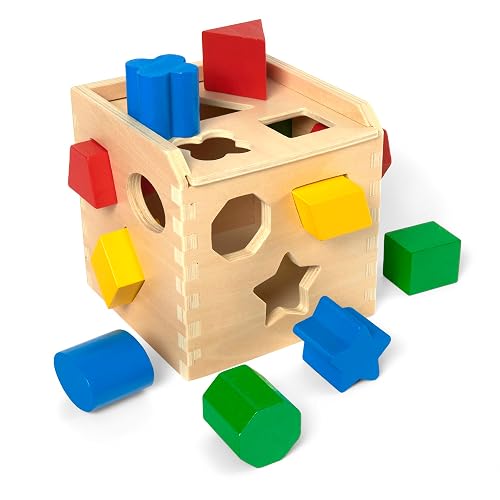
- Chunky puzzles and shape sorters suit children around 18 months to 3 years who are learning to match pieces and turn them the right way.
- Counting and matching games suit children around 3 to 4 years who can recognize numerals and count small groups.
- Story and sequencing games suit children around 4 to 5 years who can retell events in order and talk about cause and effect.
- Musical and activity toys suit toddlers who enjoy cause-and-effect buttons, songs and simple repetition.
If you are unsure of your child’s level, start with a toy one step below what you think they can do. Success builds confidence, and you can move up once the easier version feels automatic.
Step 2: Check the Toy for Learning Value
Licensed characters can make a toy appealing, but the learning value comes from the activity itself. Look for these features when you read the product description or inspect the item:
- The child has to do something: sort, match, stack, count, sequence or solve.
- There is a clear way to check success, such as a picture that fits only one slot.
- The toy can be played more than one way, so it stays interesting for several weeks.
- Pieces are sized for your child’s hands and are not a choking hazard for children under 3.
Manufacturers typically print an age range on the packaging. Treat that range as a starting point and adjust it based on how your child actually plays.
Checking for Safety
For children under 3, look for age-grading on the box and avoid small detachable parts. A simple test is the toilet paper roll check: any piece that fits inside a standard cardboard tube is too small for a child under 3 who still mouths objects. Supervise play with new toys until you know how your child handles them.
Step 3: Set Up a Five-Minute Clue Routine
The most effective use of blues clues learning toys is short, repeated practice. A routine of five to ten minutes, several times a week, usually works better than a long session once a month.
- Pick one toy and one skill. For example, a number matching game for counting practice.
- Model the first round. Say the clue out loud, pause, and wait five to ten seconds before answering it yourself.
- Hand over the turn. Ask your child to find the next answer. Accept partial answers and build on them.
- Repeat with a new card or piece, slowly raising the number of items or the difficulty.
- End on a success. Stop while your child is still engaged, then return the toy to its spot.
Using the Pause
The pause is the most useful part of the show’s format. Wait silently for at least five seconds after asking a question. Many children will answer on their own once they realize you expect them to. If they stay quiet, offer a choice between two options rather than giving the answer.
Step 4: Connect Toys to Everyday Learning
A toy only teaches what the child transfers to real life. After a session, try a quick follow-up in the kitchen, the car or the bath. Ask your child to count the crackers on their plate, find the red block in the bathtub, or name the animal on the way to the park. These short transfers are where the learning sticks.
If you want more ideas for building skills with everyday materials, the guide on Turning Trash Into Toys for Learning: Reuse vs Buy (2026) Which Is Better? shows how household items can extend the same activities without buying anything new.
Choosing the Right Type of Toy for Each Skill
Different skills call for different toy designs. The table below summarizes what to look for by goal.
| Learning goal | What to look for | Good for ages |
|---|---|---|
| Shape and color matching | Chunky pieces, clear color contrast, self-correcting slots | About 18 months to 3 |
| Counting and numerals | Countable pieces, numbered cards, tactile numerals | About 3 to 4 |
| Sequencing and storytelling | Picture cards that show a clear order of events | About 4 to 5 |
| Cause and effect | Buttons or levers that produce a visible response | About 1 to 3 |
For a broader look at picks in the same age band, see Toys for 3 Year Olds Learning: 5 Best Picks Compared (2026). If your child is building letter recognition alongside these games, Toys for Learning Letters: How to Choose and Use the Best Ones at Home offers complementary ideas.
Common Mistakes to Avoid
- Choosing by character alone. A familiar face does not guarantee a useful activity. Check the play pattern first.
- Going too hard too fast. If your child becomes frustrated, drop back a level and rebuild confidence.
- Answering every question for them. Give the pause time to work before you step in.
- Ignoring safety labels. Follow the age guidance and check small parts with the tube test.
- Stacking too many toys at once. Rotate two or three toys every week or two to keep interest high.
- Forgetting the off-screen link. Without real-world follow-up, the learning stays inside the toy.
Tips for Making Sessions Work
- Keep the toy in a low bin your child can reach, so they can start play on their own.
- Sit at child height and stay close enough to model without taking over.
- Praise the thinking, not just the correct answer. “You looked under the blue one first” builds strategy.
- Use the host’s catchphrases sparingly. Repetition can help, but too much can turn into noise.
- Keep a simple log of which skills your child attempted each week to spot progress.
Recommended gear
These items are general-purpose supports for the activities described above. Pick based on your child’s age and the skill you are working on.
- Fisher-Price Little People sorting and shape sets help toddlers practice matching, stacking and turn-taking with sturdy pieces sized for small hands. View on Amazon
- Melissa and Doug Wooden Puzzles are a good match for children learning to fit shapes into matching spaces, with self-correcting frames for independent play. View on Amazon
- Learning Resources Counting Bears give preschoolers countable manipulatives for number matching and simple addition games. View on Amazon
FAQ
Are blues clues learning toys suitable for toddlers?
Many are, especially chunky puzzles, shape sorters and cause-and-effect toys aimed at children around 18 months to 3 years. Check the age range on the packaging and avoid small parts for children under 3.
How long should a learning session last?
Five to ten minutes is a good target for preschoolers. Short, frequent sessions tend to hold attention better than long ones.
What if my child loses interest quickly?
Lower the difficulty, shorten the session, or switch to a different toy. Rotating two or three toys every week or two often restores interest.
Do I need to buy licensed products to get results?
No. The learning comes from the activity. Licensed characters can make a session more appealing, but a plain counting set or shape sorter can teach the same skill.
How do I know if a toy is safe for my child?
Follow the age guidance on the box, inspect for small detachable parts, and use the toilet paper tube test for children under 3. Supervise new toys until you know how your child handles them. For concerns about a specific product, check the manufacturer’s safety information.
Can these toys help with speech development?
Interactive toys that prompt naming, counting and sequencing can support language practice. If you have concerns about your child’s speech, consult a pediatrician or speech-language pathologist.
How can I tell if the toys are working?
Look for your child answering the clues sooner, trying more strategies before asking for help, and transferring skills to everyday moments like counting snacks or naming colors.
Should I use these toys every day?
Brief daily or near-daily practice works well, but it does not need to be formal. Fold a clue game into existing routines like car rides, bath time or meal preparation.
Conclusion
Blues Clues learning toys can be a useful way to build counting, matching, sequencing and problem-solving skills when you choose them by learning value rather than character alone. Match the toy to your child’s level, run short routines that use the pause, and connect the play to everyday moments. Rotate toys to keep things fresh, and adjust as your child grows.
Ready to choose one?
About Colin Foster
Colin Foster is part of our editorial team and reviews and edits our early learning at home guides, checking product details against manufacturer specifications and owner feedback.