By Colin Foster
Updated November 2026
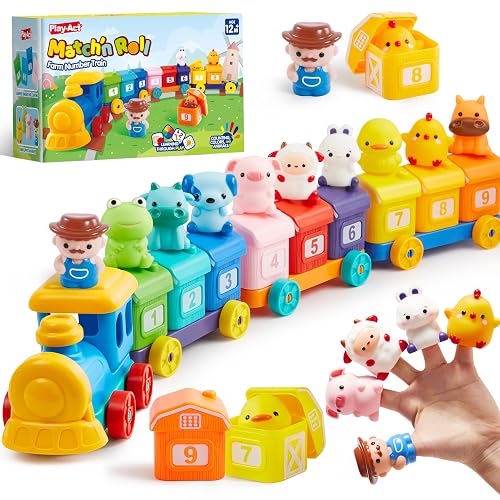
Learning games and toys can build early reading, counting, and problem-solving skills without turning playtime into a lesson. In this guide, you will learn how to match a toy to your child’s developmental stage, set up a simple play routine, and avoid the mistakes that make even good toys go unused. Most of what you need is already in your home or can be found in a basic toy category.
Step 1: Match the Toy to Your Child’s Stage
A toy works best when your child can succeed at it most of the time but still has to think. For toddlers, that usually means large pieces, simple cause-and-effect buttons, and shape sorters with two to four options. Preschoolers, roughly ages 3 to 5, tend to enjoy puzzles with 12 to 24 pieces, counting games with small manipulatives, and board games that take turns. If a toy requires reading and your child cannot yet read, treat it as a shared activity rather than an independent one.
For a broader look at age-appropriate picks, see 6 Best Children's Learning Toys Games for Preschoolers (2026) and Top 7 Educational and Learning Toys for Preschoolers Compared (2026).
Step 2: Pick Toys That Target One Skill at a Time
Toys that try to teach everything at once often teach very little. Choose items that focus on a single skill, such as letter recognition, one-to-one counting, or color sorting, and then rotate them. Toys built around a specific skill are easy to track: you can see whether your child is building it or has moved on.
If letters are your current focus, Top 5 Best Toys for Learning the Alphabet: Buyer's Guide for Preschoolers and Toys for Learning Letters: How to Choose and Use the Best Ones at Home cover the options in detail.
Step 3: Set Up a Short, Repeatable Play Routine
Consistency matters more than the toy itself. A 10 to 15 minute session, once or twice a day, usually beats a long weekend marathon. Sit beside your child, model the activity once, then step back and let them lead. Ask open questions such as “What do you notice?” or “How many are left?” rather than quizzing them with a right answer.
- Choose one toy and one target skill for the week.
- Place the toy on a low shelf or table where your child can reach it.
- Demonstrate the activity once, out loud, then hand it over.
- Count, name, or describe what happens, using simple words.
- Put the toy away when the session ends, and swap it the following week.
Step 4: Build Learning Into Everyday Play
The best learning games and toys often sit alongside ordinary play. Stacking blocks teaches height and balance, and pouring water between cups teaches volume. You can also use outdoor time for the same purpose: counting steps on a walk or sorting fallen leaves by color. For more ideas, see Outdoor Learning: Nature Walks, Gardens and Games.
When you want a structured option that still feels like play, look at Play Based Learning Toys for 3 Year Olds: 7 Best Picks (2026) or Top 5 Best Electronic Learning Toys Compared for Preschoolers, which compare features and use cases side by side.
Recommended gear
- Wooden puzzle set: Puzzles with knobbed pieces let young children grip and turn pieces, which builds fine motor control. View on Amazon
- Counting bears with sorting cups: Manipulatives you can count, group, and sort support early math concepts. View on Amazon
- Magnetic letter set: Movable letters let children build words on a fridge or tray, which supports letter recognition. View on Amazon
Common Mistakes to Avoid
- Buying too many toys at once, which leads to overwhelm and unused items.
- Choosing toys that are too advanced, so your child gives up quickly.
- Correcting every wrong answer instead of letting your child explore.
- Judging a toy by its packaging claims rather than how your child actually uses it.
- Letting screens replace hands-on play when a physical toy would work better.
FAQ
How many learning toys does a preschooler need?
Most families do well with five to eight quality toys that cover different skills. Rotating them every week or two keeps interest high without adding clutter.
Are educational toys better than open-ended toys?
Both have value. Educational toys build specific skills, while open-ended items like blocks encourage creativity and problem-solving, so mixing the two works well.
When should I talk to a professional about my child’s learning?
If your child shows a noticeable delay in speech, motor skills, or learning compared with peers, consult your pediatrician or an early intervention specialist for an evaluation.
Conclusion
Learning games and toys work best when they match your child’s stage, target one skill at a time, and fit into a short, regular routine. Start with one toy, observe how your child plays, and adjust from there. Small, consistent sessions will do more than a large collection of toys left on a shelf.
Ready to choose one?
About Colin Foster
Colin Foster is part of our editorial team and reviews and edits our early learning at home guides, checking product details against manufacturer specifications and owner feedback.