 By Audrey Hayes
Updated November 2026
Choosing leapfrog learning toys for 2 year olds comes down to three things: matching the toy to where your toddler is developmentally, picking activities that fit into daily play, and deciding how much screen time and button-pushing you want in the mix. This guide walks you through each step so you can pick a toy your child will actually use, and so you know how to make the most of it once it arrives at home.
Step 1: Understand What a Two-Year-Old Is Ready For
Most two-year-olds are building vocabulary quickly, stacking two or three blocks, scribbling with crayons, following two-step directions, and starting to sort objects by color or shape. They love cause and effect, repetition, and anything that responds when they press, push, or turn something. A good learning toy meets them there rather than asking them to do things they are not yet able to manage.
Shopping for one? See our guide: 7 Best Learning Toys for Three Year Olds: Our Picks Compared.
Keep these skill areas in mind as you shop:
- Language: naming objects, animal sounds, simple phrases, and songs
- Fine motor: pressing buttons, turning dials, pushing shapes into holes, and stacking
- Early numbers and letters: counting to three or five, recognizing a few letters, matching shapes
- Problem solving: cause and effect, simple puzzles, and sorting
- Social and pretend play: imitation, taking turns, and caring for a doll or stuffed animal
Step 2: Decide Between Electronic and Hands-On Options
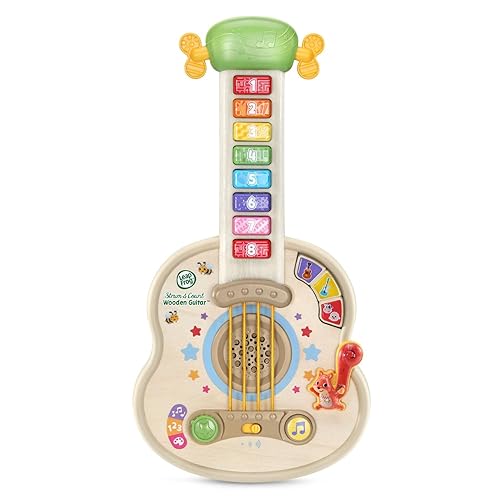
Leapfrog is best known for electronic learning toys, which typically include tablets, pop-up learning pads, activity centers, and talking figures that respond to button presses. These toys can be excellent for introducing letters, numbers, and vocabulary through repetition and music. They can also encourage a child to sit passively and press buttons without much thinking, so the balance matters.
A reasonable approach for most families is to pair one electronic toy with several open-ended ones. Blocks, shape sorters, and simple puzzles let a child invent their own games, which electronic toys rarely do. When you evaluate a Leapfrog product, ask yourself whether the toy invites your child to talk, move, and experiment, or whether it mostly plays content at them.
Step 3: Check the Age Label and Skill Level
Leapfrog labels its products by age range, and those ranges are useful starting points. Many toys are marked for toddlers under three or for ages two to four. A toy aimed at a slightly older range can still work, but if the activities feel too hard, a child may lose interest quickly. If the activities feel too easy, your toddler may tire of them within a week or two.
Watch for these signs when deciding whether a level fits:
- Your child completes the activity easily and asks for something harder, which suggests the level is right or slightly low.
- Your child becomes frustrated and walks away after a few tries, which suggests the level is too advanced.
- Your child repeats the same activity happily for several days, which is a good sign that it matches their current skills.
Step 4: Look at the Core Features Before You Buy
Once you have narrowed down the type of toy, compare the features that affect daily use. Manufacturers typically list these details on the product page, and they matter more than color or character themes.
| Feature | What to look for | Why it matters |
|---|---|---|
| Volume control | An adjustable or lower-volume setting | Helps keep the toy usable for you and the rest of the household |
| Button size | Large, raised buttons | Easier for small hands to press accurately |
| Power source | Battery type and whether batteries are included | Determines how soon you will need replacements |
| Activity modes | Several modes that change difficulty or topic | Lets the toy grow with your child |
| Durability | Rounded edges and a sturdy housing | Toddlers drop, throw, and chew on toys |
Step 5: Set Up the Toy for Successful Play
How you introduce a toy often matters more than the toy itself. Try these steps in the first week:
- Sit with your child for the first five to ten minutes and model one or two activities. Name what you see and show how a button or piece works.
- Turn the volume down for the first few sessions so your child can hear your voice alongside the toy.
- Pause the toy and ask a question, such as “What sound does the cow make?” Wait a few seconds for a response, even a gesture.
- Limit each session to about ten to fifteen minutes. Toddlers do best with short, frequent play.
- Rotate the toy out after a week or two and bring it back later. Novelty helps renew interest.
Step 6: Build Learning Into Everyday Play
The most useful learning happens when you extend the toy into real life. If the toy teaches colors, point out red and blue cups at lunch. If it teaches counting, count stairs or snacks together. Talking through what you are doing, using full sentences a little beyond your child’s level, supports vocabulary growth. For more ideas on everyday routines, see Learning Activities for Two-Year-Olds: Words and Hands, which pairs language and hand skills with simple household tasks.
Parents who want a broader comparison can also look at VTech Learning Toys for 2 Year Olds: How to Choose the Right Ones and 6 Best Montessori Learning Toys for 2 Year Olds: Our Picks Compared to see how other brands approach the same age group.
Common Mistakes to Avoid
- Buying for the future. A toy marked for older children may frustrate a two-year-old. Start with the label, then adjust based on how your child actually plays.
- Letting the toy do all the work. Electronic toys teach best when an adult talks, questions, and celebrates with the child.
- Overloading the play space. Too many toys at once can make a toddler jump from item to item. Keep two or three out at a time.
- Ignoring volume. Loud toys can cause stress for toddlers and everyone else. Test the volume controls on day one.
- Skipping open-ended play. Balance electronics with blocks, puzzles, and pretend play.
Tips for Getting the Most Value Over Time
- Keep a simple note of which activities your child repeats. Those reveal current interests and skills.
- Check whether the toy has multiple skill levels, since a toy that grows with your child stays useful longer.
- Store batteries separately and check the battery compartment regularly for corrosion or leaks.
- Clean hard plastic surfaces with a damp cloth and mild soap, and let them air dry fully before play.
- If your child shows strong interest in a particular topic, such as letters or animals, look for a follow-up toy in that same area.
Recommended gear
These supporting items help extend Leapfrog-style play at home, especially for toddlers who are still learning to handle small pieces and move from button-pushing into hands-on activity.
- Wooden shape sorter: A shape sorter gives your child a hands-on version of the matching and fitting skills that many electronic toys introduce on screen. View on Amazon
- Chunky stacking blocks: Large blocks are easy to grip and support stacking, counting, and color sorting away from a screen. View on Amazon
- Toddler puzzle set: Simple knob puzzles with three to six pieces reinforce shape recognition and problem solving. View on Amazon
FAQ
Are leapfrog learning toys for 2 year olds worth buying?
They can be, especially if you choose an age-appropriate model and use it in short sessions alongside hands-on play. Their value depends on how actively your child engages with them and how often you talk through the activities together.
How long should a two-year-old play with a learning toy each day?
Short sessions of about ten to fifteen minutes, several times a day, work better than one long stretch. Many child development guidelines also recommend limiting total screen time for toddlers, so balance electronic toys with physical and conversational play.
What is the difference between a toy for ages two and a toy for ages three?
Toys for three-year-olds usually include more complex counting, longer word sequences, and more multi-step tasks. Toys for two-year-olds focus on basic cause and effect, simple vocabulary, and early shape and color recognition.
Should I choose a tablet-style or activity-center toy?
Tablet-style toys often offer many activities in one device, which suits children who enjoy variety. Activity centers tend to be sturdier and encourage more physical movement, which can be a better fit for very active toddlers.
How do I know if my child is bored with a toy?
Common signs include walking away mid-activity, pressing buttons without looking at the screen, or switching to another toy repeatedly. Rotating the toy out for a week or two often restores interest.
Can leapfrog learning toys help with speech development?
Toys that name objects, play songs, and repeat words can support vocabulary exposure. Speech development is strongest through back-and-forth conversation with caregivers, so use the toy as a starting point for talking together. If you have concerns about your child’s speech, consult a pediatrician or speech-language pathologist.
What should I do if the toy stops working?
Start by replacing the batteries and checking the battery contacts for corrosion. If the problem continues, consult the manufacturer’s support resources or the instructions included with the product before deciding whether a repair or replacement is needed.
Conclusion
Choosing leapfrog learning toys for 2 year olds is easiest when you start with your child’s current skills, check the age label, and compare the features that affect daily use. Pair an electronic toy with hands-on options, keep sessions short, and talk through activities with your child. With those habits in place, a learning toy becomes one useful part of a rich home play routine.
Related reading
- Toys for 3 Year Olds Learning: 5 Best Picks Compared (2026)
- Play Based Learning Toys for 3 Year Olds: 7 Best Picks (2026)
- Learning to Read Toys for 5 Year Olds: A Step-by-Step Guide (2026)
Ready to choose one?
About Audrey Hayes
Audrey Hayes is part of our editorial team and reviews and edits our early learning at home guides, checking product details against manufacturer specifications and owner feedback.