By Audrey Hayes
Updated November 2026
Choosing a nature based preschool homeschool curriculum can feel harder than choosing a more traditional program, because the learning happens outside as much as it happens at the table. Parents usually want a plan that gets children outdoors regularly, builds early literacy and math through observation and play, and gives them enough structure to stay organized without a classroom schedule. This list compares four options with those needs in mind. We weighed how each program is organized, how much preparation it asks of the parent, how well it matches the child’s age range, and how it balances outdoor exploration with core early skills. We did not test these programs ourselves; the comparisons draw on published program descriptions, the way each product is structured, and patterns that owners commonly mention.
Our top picks at a glance
- 1
 TOP CHOICEBest overallThe Magic of Childhood: A 52 Week Christian Homeschool Curriculum for PreschoolersView on Amazon
- 2
 Best for short, child-led outdoor sessionsWild School Pack: A 4-Week Child-Led Nature Curriculum for Conscious Families Ages 3-8View on Amazon
- 3
 Best for a complete bundled routineMeadowlark Learning Preschool Bundle, Complete Homeschool Curriculum, Ages 3-5View on Amazon
- 4
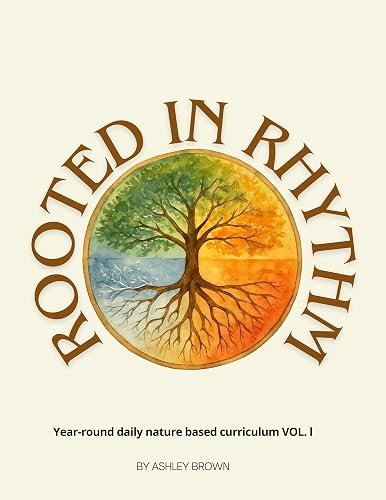 Best for a full year of daily outdoor learningRooted In Rhythm: Year-Round daily nature based curriculumView on Amazon
Our Top Picks
Quick Comparison
| Product | Best for | Key feature |
|---|---|---|
| The Magic of Childhood: A 52 Week Christian Homeschool Curriculum for Preschoolers | Families wanting a full year with faith-based content | 52 weekly units with flashcards and devotionals |
| Wild School Pack: A 4-Week Child-Led Nature Curriculum | Families starting out or wanting short outdoor blocks | Four-week, child-led nature themes |
| Meadowlark Learning Preschool Bundle, Complete Homeschool Curriculum | Parents who want a ready-made weekly routine | Lesson book, play pack and story-based prewriting |
| Rooted In Rhythm: Year-Round daily nature based curriculum | Families committed to daily outdoor time all year | Daily nature-based schedule for the full year |
The Magic of Childhood: A 52 Week Christian Homeschool Curriculum for Preschoolers
The Magic of Childhood: A 52 Week Christian Homeschool Curriculum for Preschoolers | Weekly Units, Flashcards and Devotionals | Ages 3-5
Best for: Families who want a full year of organized preschool content with a faith-based foundation
This program suits parents who prefer a clear week-by-week plan and who want spiritual themes woven into their child’s early learning. The 52-week structure makes it easy to pace the year without planning each unit from scratch.
Key specs
- 52 weekly units
- Designed for ages 3 to 5
- Includes flashcards and devotionals, per the listing title
Pros
- Predictable weekly rhythm that is easy to follow
- Faith content is built in rather than added separately
- Flashcards support letter and number recognition
Cons
- Religious content will not fit every family
- Outdoor activity is one part of the program rather than its center
Bottom line: A strong choice for families who want a complete, faith-based year with structured weekly units and are comfortable with a mix of indoor and outdoor learning.
Wild School Pack: A 4-Week Child-Led Nature Curriculum for Conscious Families Ages 3-8
Wild School Pack: A 4-Week Child-Led Nature Curriculum for Conscious Families Ages 3-8
Best for: Short, child-led outdoor sessions
This pack is built around four-week nature themes and encourages children to lead their own questions and discoveries. It fits families who want to try nature-based learning in manageable blocks before committing to a longer program.
Key specs
- Four-week program length
- Designed for ages 3 to 8
- Child-led structure, as described in the listing
Pros
- Short duration makes it easy to start or pause
- Child-led approach supports curiosity and observation
- Covers a wider age range than many preschool-only plans
Cons
- Four weeks is not a full academic year
- Parents who want detailed daily lesson scripts may need to add their own
Bottom line: Best for families who want to explore nature-based learning in a low-commitment format and are comfortable letting the child steer the topics.
Meadowlark Learning Preschool Bundle, Complete Homeschool Curriculum, Ages 3-5
Meadowlark Learning Preschool Bundle, Complete Homeschool Curriculum, Ages 3-5, Lesson Book, Play Pack, Little Lark Stories, Playful Prewriting
Best for: A complete bundled routine with minimal planning
This bundle pulls together a lesson book, a play pack and story-based prewriting materials. It suits parents who want most of the preparation done for them and a daily routine that mixes play, stories and early writing practice.
Key specs
- Designed for ages 3 to 5
- Includes lesson book, play pack and Little Lark Stories, per the listing
- Includes playful prewriting activities
Pros
- Everything is grouped in one bundle, reducing shopping and planning
- Story-based prewriting keeps handwriting practice engaging
- Play pack supports hands-on learning at home
Cons
- Outdoor components are less prominent than in a dedicated nature program
- Parents may need to add outdoor extensions to match a nature-based focus
Bottom line: A good fit for parents who want a complete, play-friendly bundle and plan to add outdoor exploration on their own.
Rooted In Rhythm: Year-Round daily nature based curriculum
Rooted In Rhythm : Year-Round daily nature based curriculum
Best for: Families committed to daily outdoor time all year
This program is built around a daily nature-based rhythm meant to run across the calendar year. It suits families who want outdoor learning to be a consistent habit rather than an occasional add-on.
Key specs
- Year-round daily structure, per the listing title
- Nature-based daily curriculum
Pros
- Daily rhythm builds a steady outdoor habit
- Year-round design avoids long gaps in learning
- Focused entirely on nature-based approaches
Cons
- Daily commitment may be demanding in bad weather or with multiple children
- Less suited to families who want a short trial
Bottom line: The right pick for families who can keep a daily outdoor routine going through every season and want the program to shape their whole week.
Buying Guide
Program length and structure
Check whether the curriculum runs for a set number of weeks, a full year or on an open-ended daily rhythm. A four-week block is easy to test. A 52-week plan gives you a complete calendar but asks for more consistency. Decide how much structure your child and your schedule can handle before you buy.
Good picks for this: Wild School Pack, The Magic of Childhood
Balance of outdoor and indoor learning
Some programs treat nature as the center of every lesson, while others mix outdoor time with table work. Read the product description carefully to see how much of the content happens outside. If you want a true nature-based approach, prioritize programs where outdoor exploration drives the lessons.
Good picks for this: Rooted In Rhythm, Wild School Pack
Age range and developmental fit
Preschool programs usually target ages 3 to 5, though some extend to age 8. A child at the younger end of that range may need shorter sessions and more play. Match the listed age range to your child’s current abilities and plan to adjust activities as they grow.
Good picks for this: Meadowlark Learning Preschool Bundle, Wild School Pack
Parent preparation time
Ask yourself how much planning you are willing to do each week. Bundled programs with lesson books and play packs reduce preparation, while child-led or daily rhythm programs may require you to gather materials and set up outdoor spaces regularly. Be realistic about your time before choosing.
Good picks for this: Meadowlark Learning Preschool Bundle, The Magic of Childhood
Content and values alignment
Some curricula include religious or philosophical content. Review the program description to confirm it matches your family’s beliefs and preferences. A mismatch in values often leads to abandoning a program mid-year, so this check is worth doing early.
Good picks for this: The Magic of Childhood, Rooted In Rhythm
Durability and reuse
Physical components such as flashcards, activity books and play materials can wear quickly with active children. Look for sturdy printed materials and consider whether pages can be reused for siblings. Owners often mention that laminating key cards extends their life.
Good picks for this: The Magic of Childhood, Meadowlark Learning Preschool Bundle
Seasonal and weather flexibility
Nature-based learning depends on access to outdoor space, and weather can interrupt plans. Programs designed for year-round use often include guidance for rainy or cold days. Check whether the curriculum offers indoor alternatives so you are not left without a plan during the winter months.
Good picks for this: Rooted In Rhythm, Wild School Pack
FAQ
What is a nature based preschool homeschool curriculum?
It is a learning plan that uses outdoor exploration, observation and seasonal themes as the main way children build early literacy, math and science skills. Lessons usually start with something the child can see, touch or collect outside.
How much outdoor time should a preschooler get each day?
Many early childhood organizations recommend daily outdoor play, and there is no single required amount. Starting with 30 to 60 minutes a day is a common approach, adjusted to your child’s stamina and your local weather. Consult your pediatrician if your child has specific health needs.
Can I combine a nature program with other preschool materials?
Yes. Many families add a nature-based program to printables, books or play activities. Keep one main schedule so the child does not feel pulled in several directions, and use the nature program as the anchor for the week.
Do I need special equipment for nature-based learning?
Usually not. A notebook, a magnifying glass, a container for collecting items and comfortable clothing cover most needs. Some programs list specific materials, so check the product description before you buy.
How do I know if a program is working for my child?
Look for steady engagement, growing vocabulary, questions that build on earlier lessons, and enjoyment during outdoor time. If your child consistently resists the program after several weeks, consider adjusting the pace or switching to a different style.
Is a nature-based approach suitable for children with different learning needs?
Many children benefit from hands-on, movement-based learning, but needs vary widely. Parents of children with developmental differences should consult a qualified professional, such as an occupational therapist or early intervention specialist, when choosing and adapting a program.
Conclusion
Each of these four options serves a different kind of family. The Magic of Childhood suits parents who want a full year of structured, faith-based units. Wild School Pack works well for a short, child-led trial of nature learning. The Meadowlark Learning Preschool Bundle is the most convenient choice for parents who want materials grouped in one place, and Rooted In Rhythm fits families ready to make outdoor learning a daily, year-round habit. Match your choice to your schedule, your values and how much outdoor time you can realistically commit to.
Sources
- Guidance on physical activity and healthy development for young children (cdc.gov)
- Developmentally appropriate practice recommendations for early childhood programs
- Product safety information for toys and children's play materials (cpsc.gov)
Related reading
- Top 6 Nature Homeschool Preschool Curriculum Picks for Home Learners
- Literature Based Preschool Homeschool Curriculum: 7 Best Picks Compared (2026)
- Christian Based Preschool Homeschool Curriculum: 7 Best Picks Compared (2026)
- 6 Best Play-based Preschool Homeschool Curriculums (2026): Our Picks
- Waldorf Preschool Homeschool Curriculum: 4 Best Picks Compared (2026)
About Audrey Hayes
Audrey Hayes is part of our editorial team and reviews and edits our early learning at home guides, checking product details against manufacturer specifications and owner feedback.